Genii Cucullati
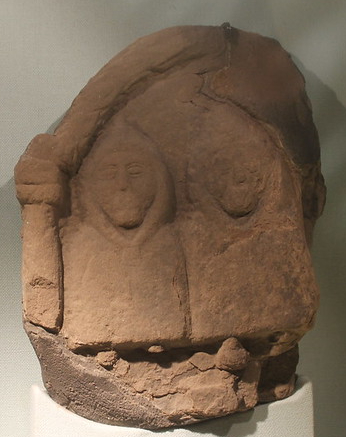
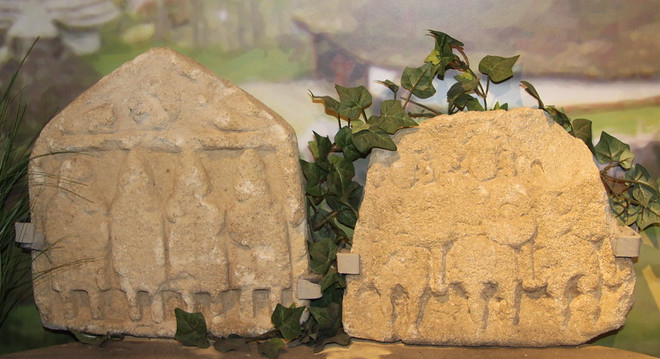
Across the vast Romano-Celtic region, spanning from Britain to Pannonia, archaeologists have unearthed intriguing religious sculptures depicting the “Hooded Spirits,” also known as the Genii Cucullati. These figures stand out for their distinctive attire – cloaks enveloping their forms – and their abstract, almost minimalist carvings.

Despite their widespread presence across the Romano-Celtic world, the exact religious meaning of the Genii Cucullati, or Hooded Spirits, remains somewhat enigmatic. The absence of inscriptions with these figures adds to the challenge of deciphering their purpose. Interestingly, a higher concentration of these sculptures is found in the Rhineland, hinting at a possible regional variation in their significance.

In contrast, Britain presents a unique portrayal of the Hooded Spirits in the form of triple deities, suggesting a specific interpretation within the British Celtic culture. The recurring element of the hooded cape, especially associated with the Gauls and Celts during the Roman period, offers a potential clue. This headwear might have held symbolic meaning, possibly connecting the spirits to the underworld or the realm of the dead.

 Digital Maps of the Ancient World