Loucetius
Loucetius was a revered deity among the Gauls, particularly in the Rhine-Moselle region. Here, his presence intersected with the Roman world, leading to him being associated with the Roman god Mars.

This merging, known as syncretism, reflects the cultural exchange that occurred as Roman influence expanded. While details about Loucetius remain limited, his connection to Mars suggests a potential association with war, given the Roman god’s domain.
Scholars believe the name Loucetius translates to “lightning,” solidifying his potential connection to the Roman god Mars, who also wielded lightning as a weapon.
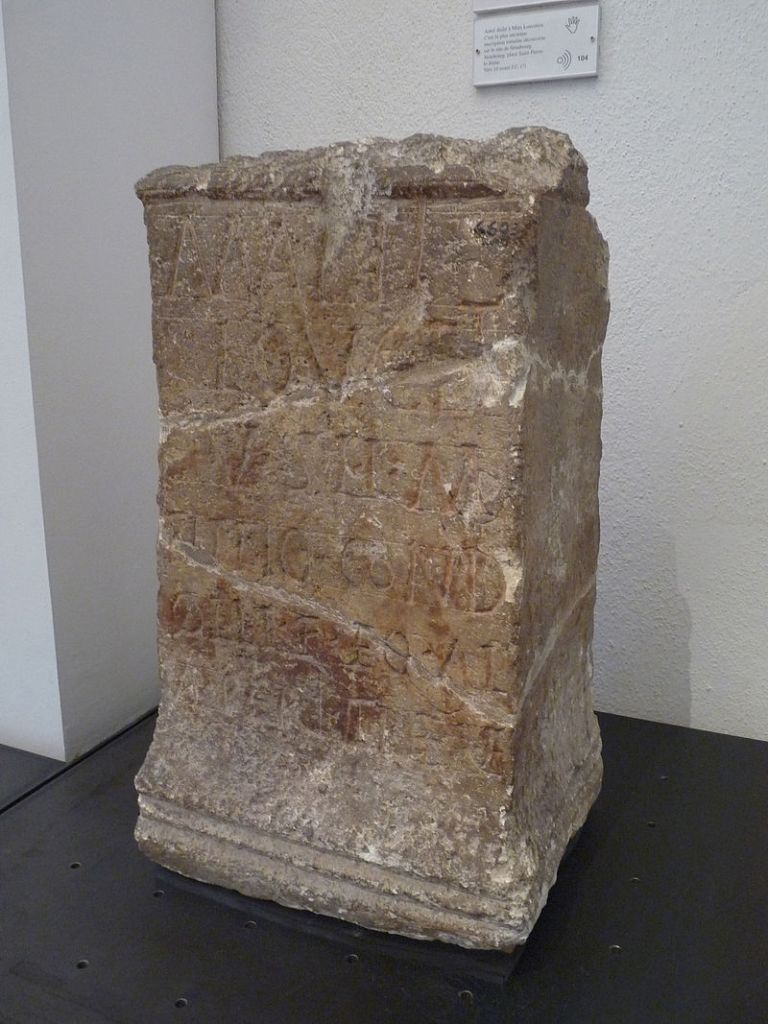
Interestingly, Loucetius wasn’t worshipped alone. Inscriptions reveal he was often paired with the goddess Nemetona, hinting at a possible complementary role for her in his domain. Evidence of their combined worship comes from roughly a dozen inscriptions found primarily in eastern Gaul, particularly among the Vangiones and Aresaces tribes. Surprisingly, dedications to Mars Loucetius have also been discovered beyond Gaul, in places like Bath and Angers. The Bath inscription notably mentions a Treveran dedicator, highlighting the mobility of these Celtic beliefs across Roman territories.

 Digital Maps of the Ancient World