Maponus
Maponus, a multifaceted Celtic deity, was primarily worshipped in northern Britain but also found reverence in Gaul. Known as the “Divine Youth,” he was often equated with the Roman god Apollo.
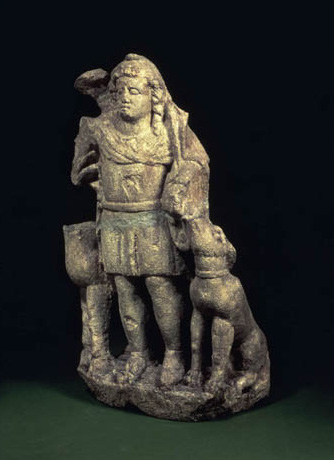
While Apollo was associated with music, healing, and prophecy, Maponus’s domain might have encompassed these aspects alongside others, potentially including hunting and springtime renewal. Depictions of Maponus holding a lyre hint at a connection to music and inspiration, while his association with the springtime suggests a role in promoting growth and vitality.
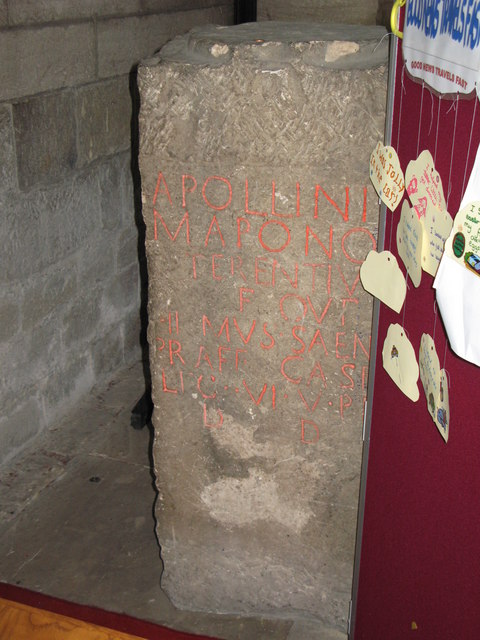
Scholars believe the name Maponus translates to “Great Son,” hinting at his potentially exalted status. Evidence of his worship comes from at least three statues discovered in Britain. One particularly intriguing depiction showcases Maponus holding a lyre, an instrument associated with music and inspiration. This statue positions him opposite a Celtic Diana, a huntress figure, which strengthens the connection some scholars see between Maponus and the hunt. Together, these aspects paint a picture of Maponus as a multifaceted deity, embodying youthful vigor, artistic pursuits, and possibly even success in the hunt.

The most compelling evidence of Maponus’s worship comes from inscriptions found along Hadrian’s Wall. These are primarily epigraphical, meaning they are written records carved into stone or other materials. Interestingly, some inscriptions directly address Maponus, while others combine him with the Roman god Apollo under the title “Apollo Maponus.” This merging of deities, known as syncretism, reflects the cultural exchange that occurred as Roman influence expanded into Britain. The presence of these inscriptions along Hadrian’s Wall highlights the significance of Maponus for the people who lived and served there.

 Digital Maps of the Ancient World