Sulis
Sulis, a revered Celtic goddess, presided over the healing thermal springs at Bath, known to the Romans as Aquae Sulis (“the Waters of Sulis”).
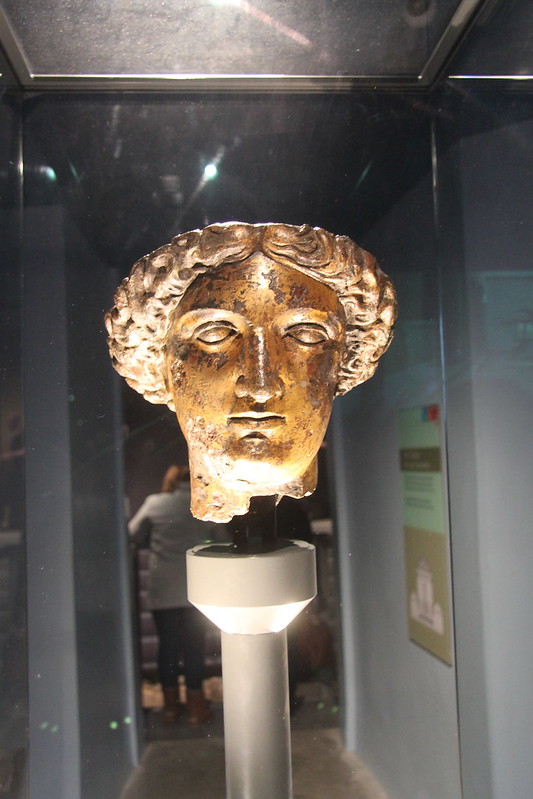
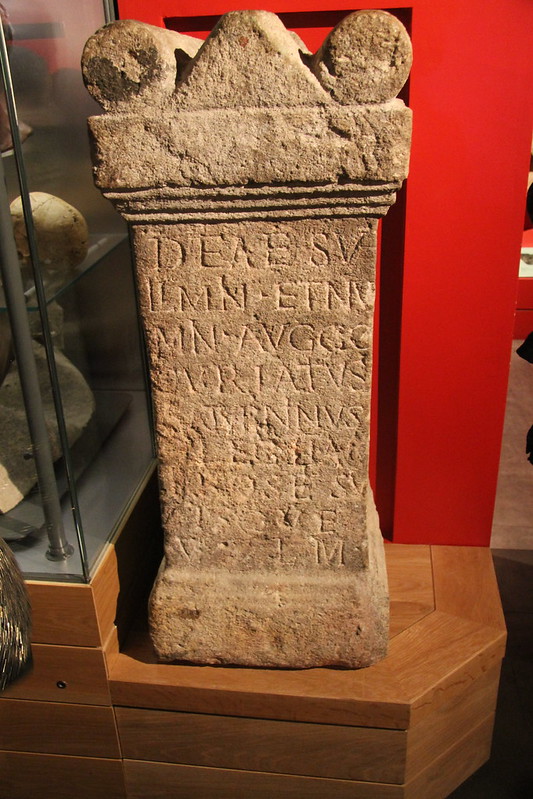
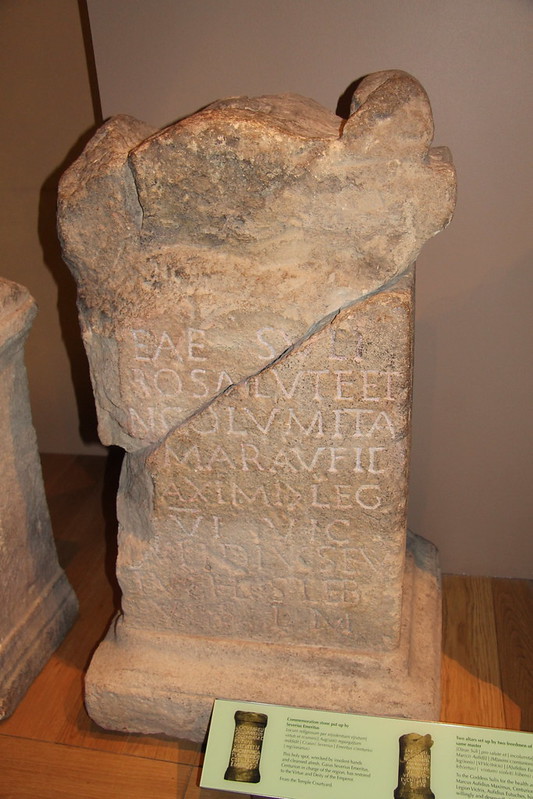
Revered by the Romano-British as Sulis Minerva, this Celtic goddess presided over the healing thermal springs at Bath (Aquae Sulis to the Romans). Evidence from votive objects and inscribed lead tablets suggests a fascinating duality: Sulis Minerva was worshipped for both her healing powers and her ability to enact curses upon those who wronged her devotees.
These 130 curse tablets, a unique window into the lives of Roman Bath’s inhabitants, were mostly addressed to Sulis and typically related to theft. The localized style of Latin used suggests a high proportion came from the native population. Appealed to Sulis to punish the perpetrators, reflecting the frustration and anger felt by those who had been wronged. The formulaic language, often legalistic, might request Sulis to torment the thief with insomnia or by “binding their bowels” until the stolen item was returned. These afflictions would cease only when the property was recovered or disposed of as the owner wished, often by its dedication to the goddess.
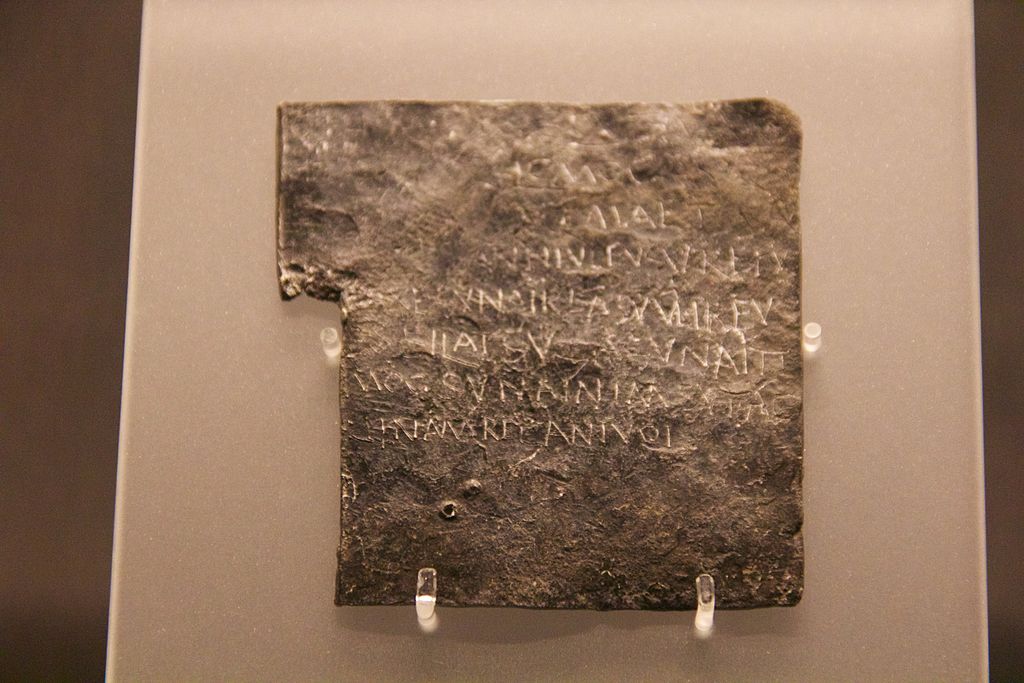
While most Roman Britain curse tablets are in Latin, the Romans employed some unique writing styles on them, perhaps to amplify the curses’ power. These included writing letters or words backwards (retrograde script) and alternating line direction (boustrophedon). Interestingly, two curse tablets found here were written on pewter sheets in an unidentified language, possibly Brythonic, an ancient Celtic tongue related to Welsh and Breton. These inscriptions are the only known examples of written Brythonic from this period.

 Digital Maps of the Ancient World