Telesphorus
Though cloaked in mystery, Telesphorus, the child-god of healing, boasts a fascinating journey across cultures. Originally believed to be a Celtic deity, he embarked on a path that led him from ancient Gaul to the heart of Greece and back again.
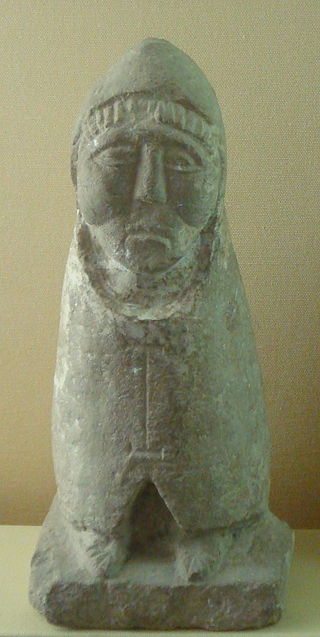
He was adopted by the Greeks in Anatolia during the 3rd c. BC. The Galatians, a Celtic people, are believed to have brought him there. In Anatolia, Telesphorus became associated with the Greek god of medicine, Asclepius, perhaps in Pergamon, a major center of Asclepius worship. The rise of the Roman Empire later helped spread this association back again to the West.
Discoveries of dedications suggest Telesphorus’ primary role was as a healer for children, further emphasized by his hooded appearance, which aligns him with the Genii Cucullati, protective deities often depicted in hooded cloaks.


