Genius
Imagine a guardian angel, not from a religion of the future, but from the heart of ancient Rome. This was the Genius, a divine spirit believed to be present in every person, place, and even object. Much like a close companion, the Genius followed a man from his very first breath until his final moments.

The word “genius” in Roman religion encompassed a vast concept. While it could refer to any divine spirit, it most commonly manifested in the form of a personal guardian. Unlike some well-established higher deities, the Genius wasn’t limited to grand temples or famous figures. Instead, it was a spirit deeply woven into the fabric of everyday life. Every individual, from the humblest citizen to the most prominent leader, possessed a Genius who watched over them from birth until death. The concept extended even further, with guardian Genii for families, homes, even specific locations like houses, doors, streets, and districts. Each of these entities had their own Genius, ensuring the well-being of their respective domains.

Lararium
In the heart of ancient Roman homes resided a sacred space called the Lararium. Typically situated in the atrium, the Lararium wasn’t merely a decorative feature; it was a family shrine dedicated to the Lares, the spirits who protected the household, and the Genius, the guardian spirit of the family line. These deities were often depicted in a distinctive fresco adorning the Lararium: two Lares flanking a central figure representing the Genius. Excavations at Pompeii have revealed hundreds of these Lararia, offering a glimpse into these domestic rituals.


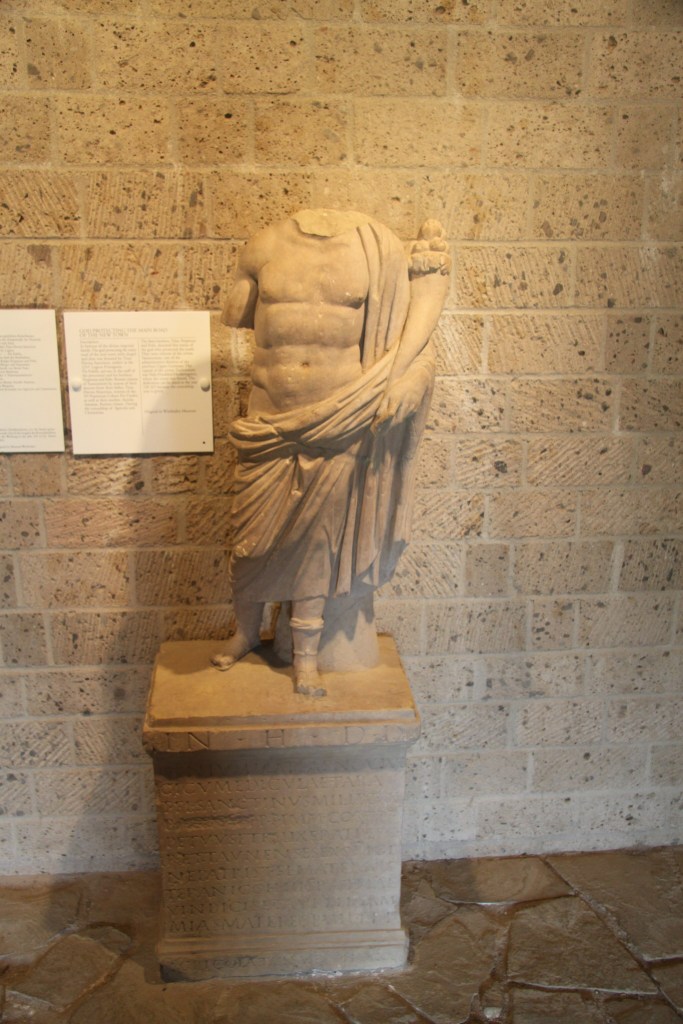
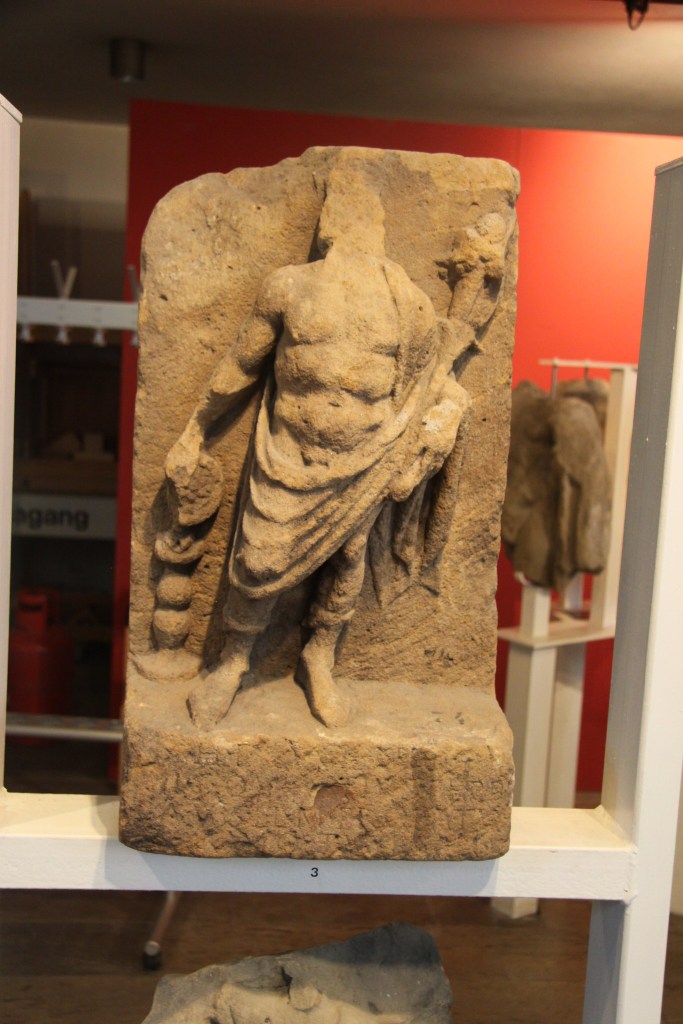
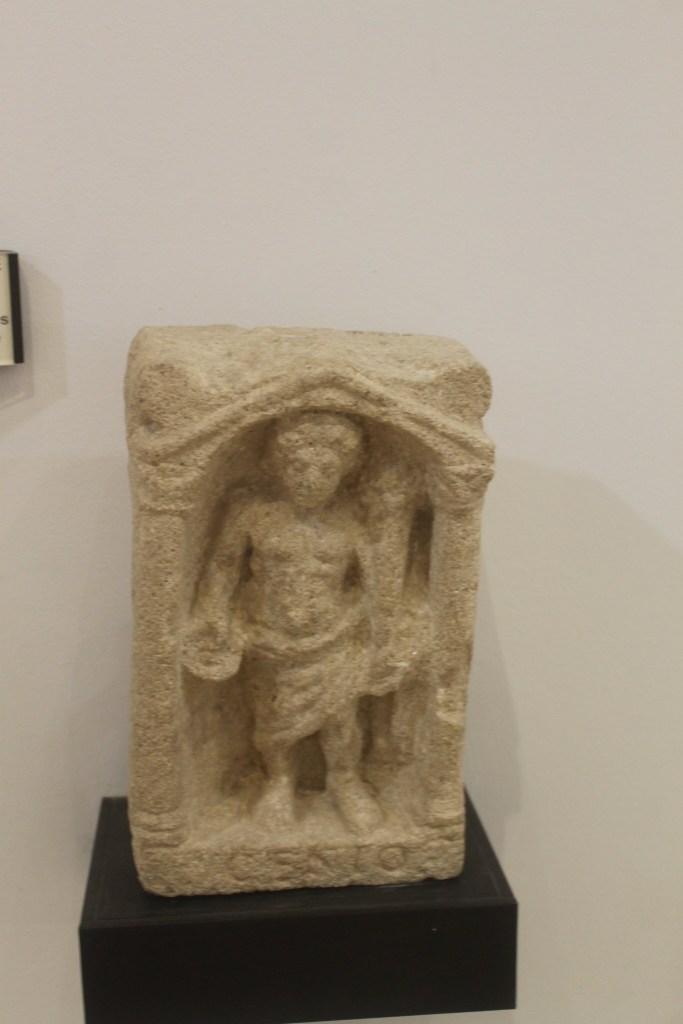
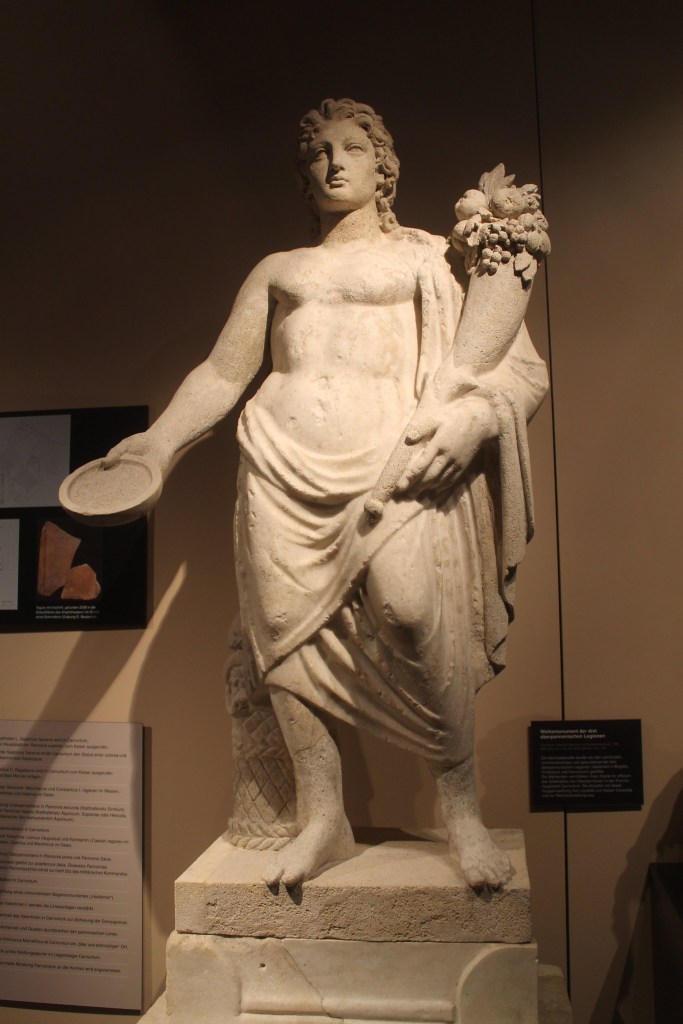
Art
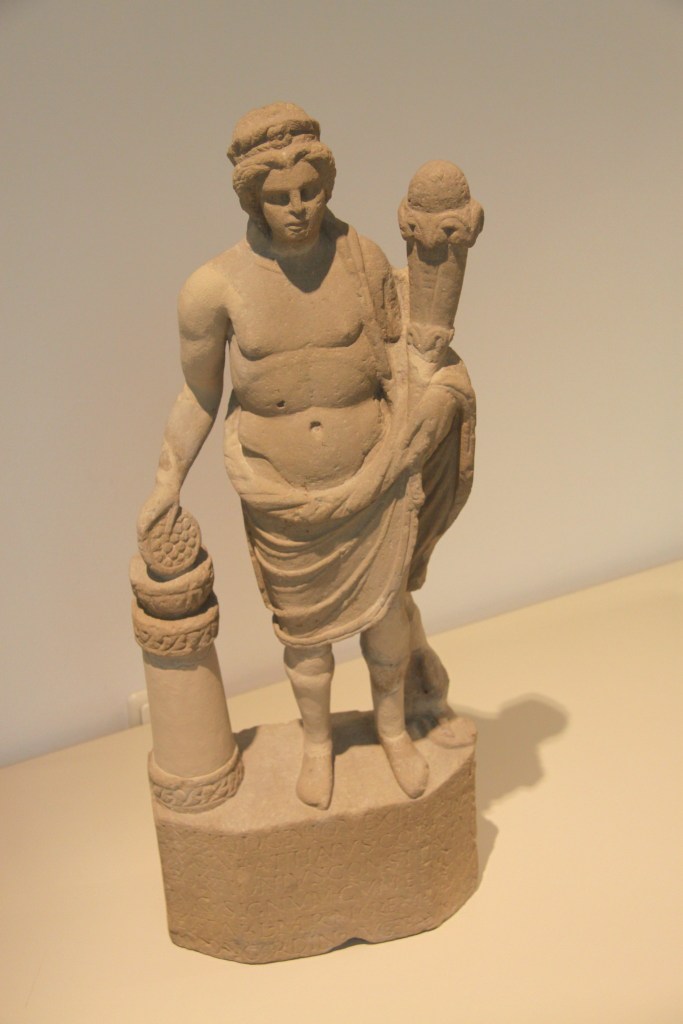
Bonn Landesmuseum
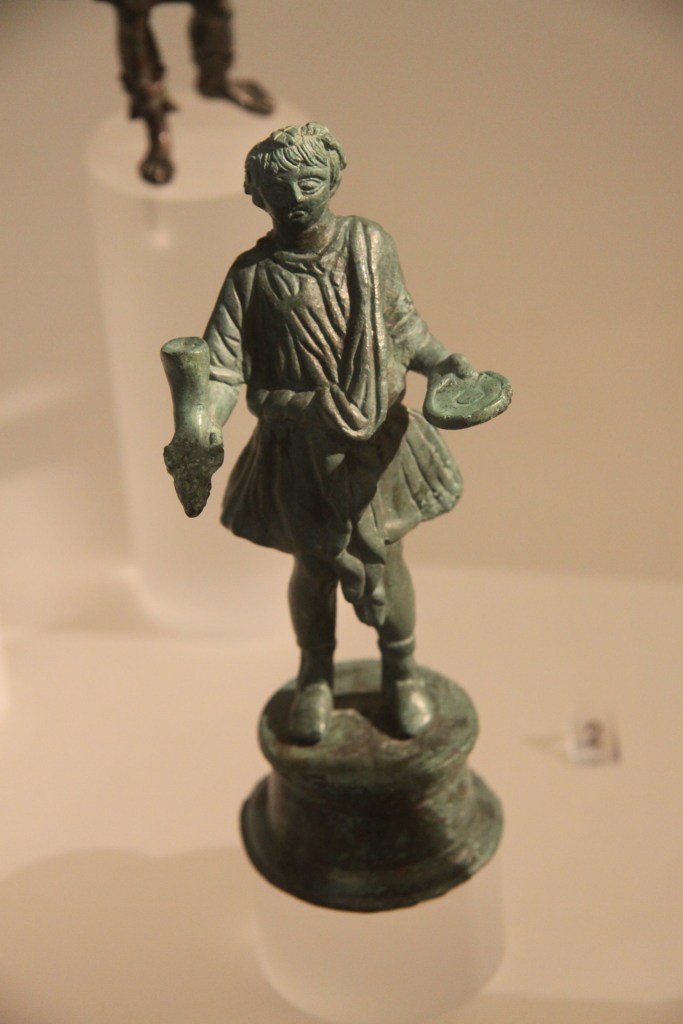
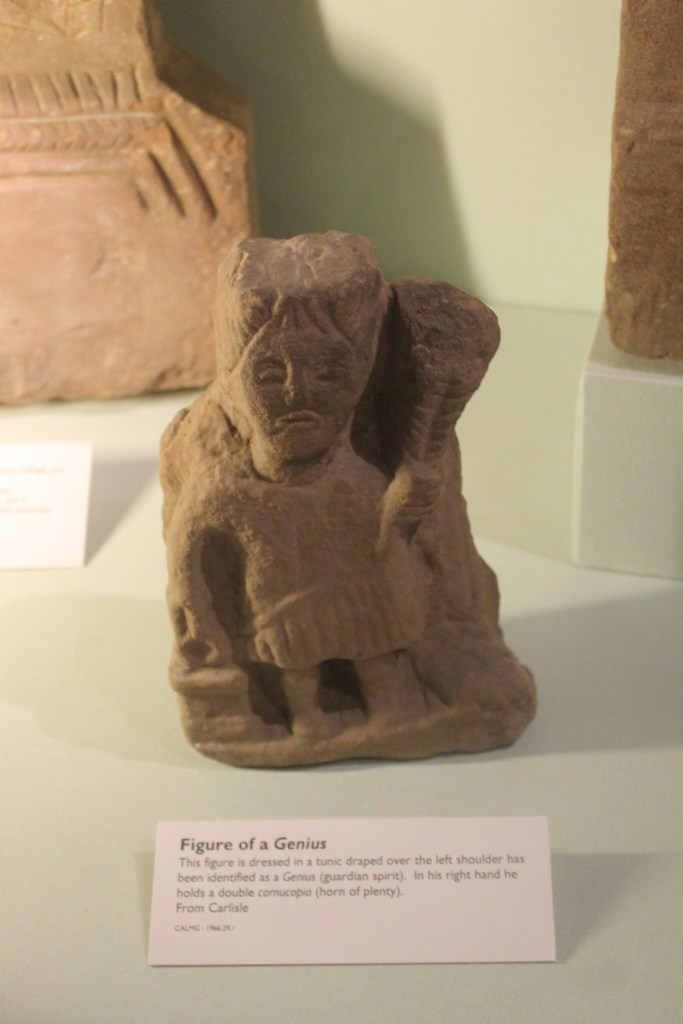
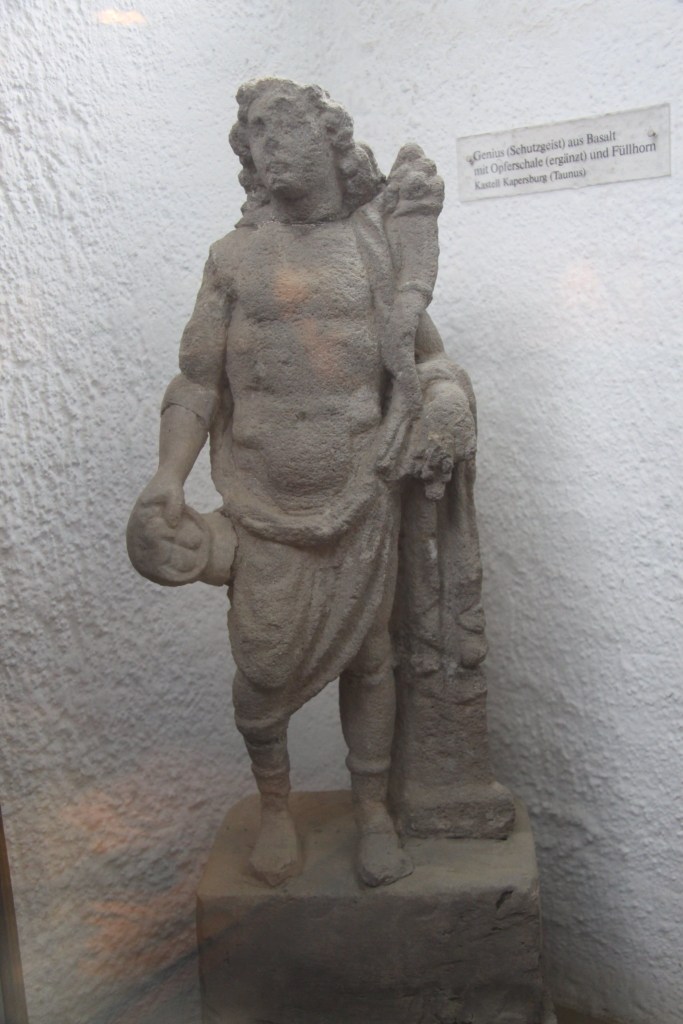
Saalburg Museum.


 Digital Maps of the Ancient World