Luna
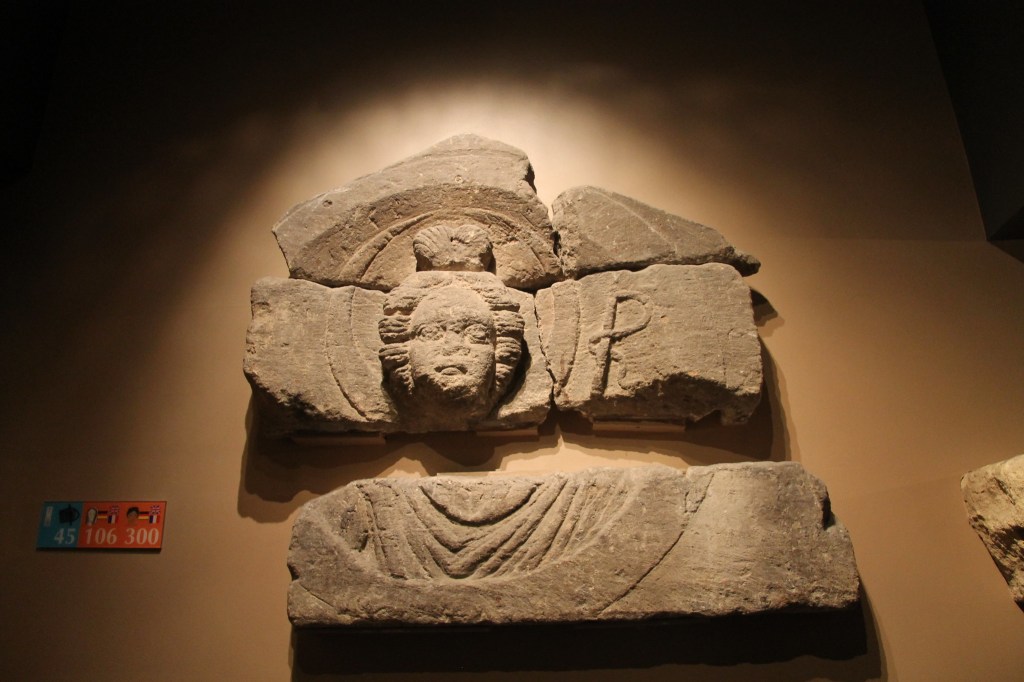
While revered as the moon goddess, Luna’s influence in Roman religion extended far beyond the night sky. She was associated with the natural world, fertility, and the flow of time, particularly the menstrual cycle.

Symbols: Chariot, moon, crescent
Siblings: Sol and Aurora
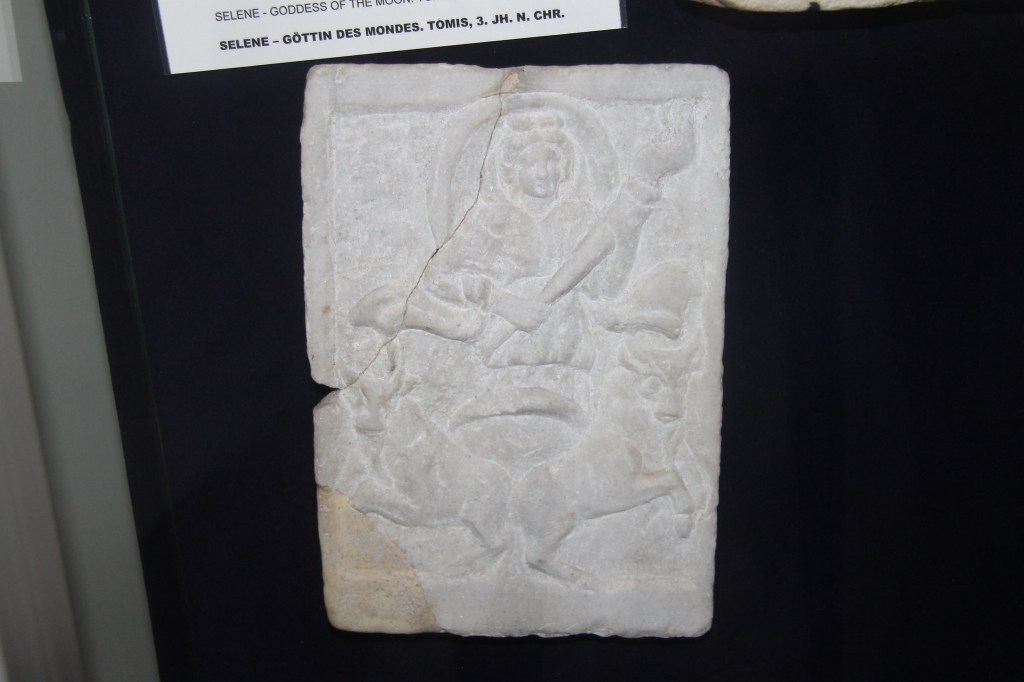
Greek equivalent: Selene
Often depicted gliding across the heavens in a two-horse chariot, known as a biga, she embodied the cyclical nature of time and the ever-changing phases of the moon. In Roman art, she was frequently paired with Sol, the sun god, who rode a mighty four-horse chariot, highlighting the harmonious dance of day and night.

Art

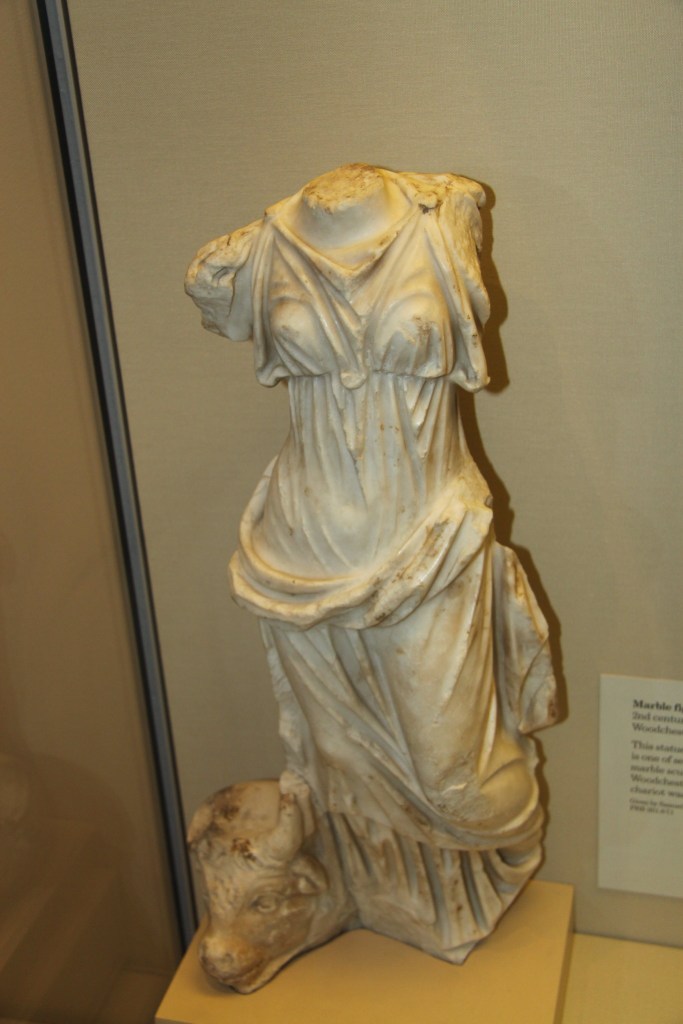
British Museum.
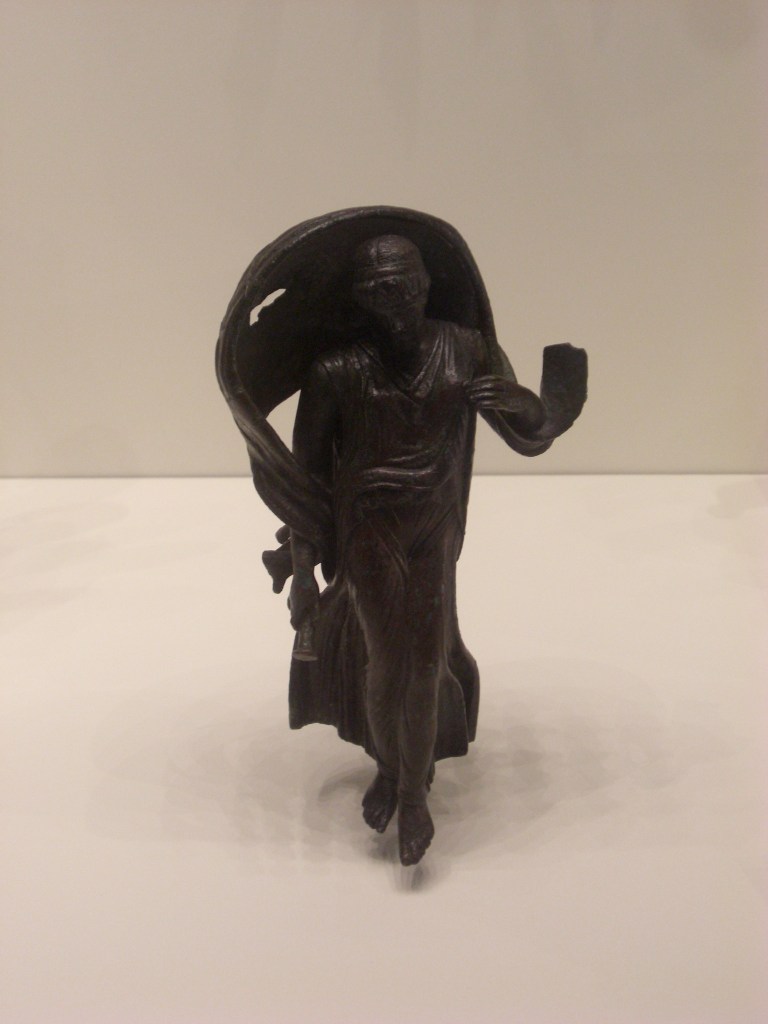
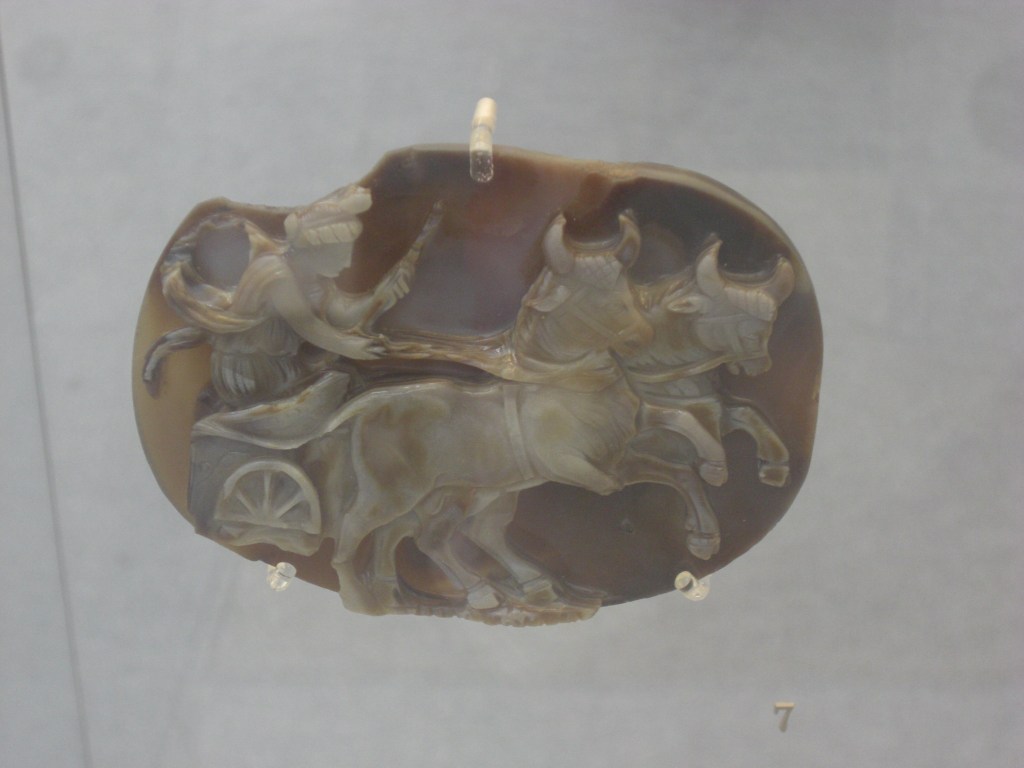
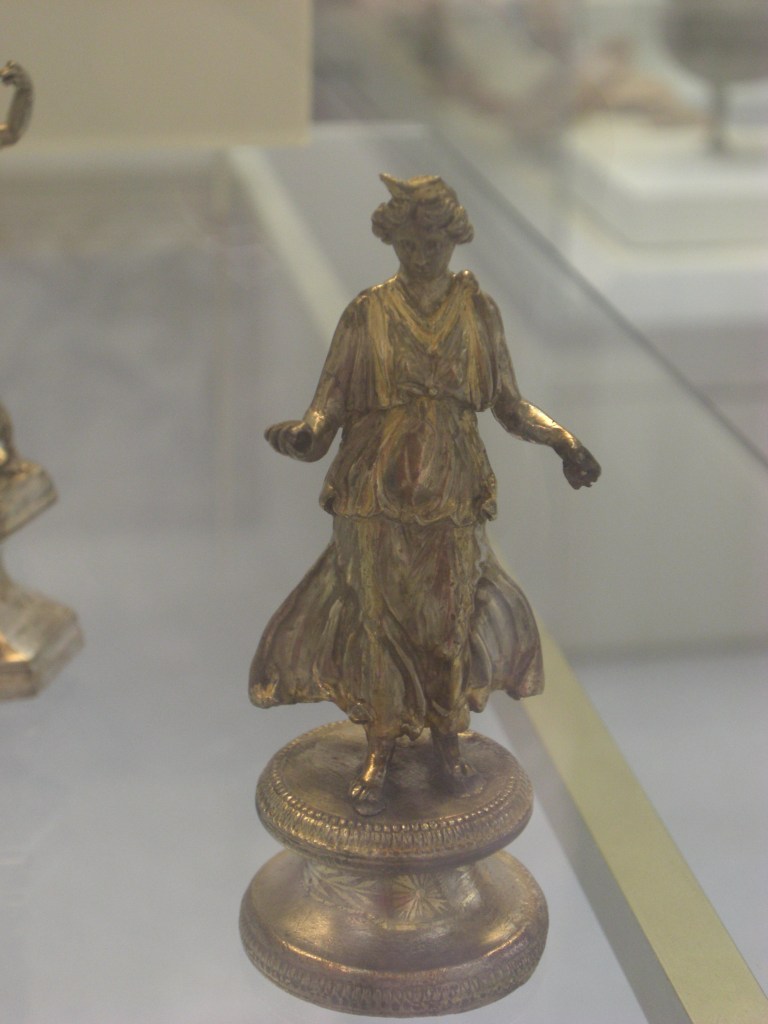
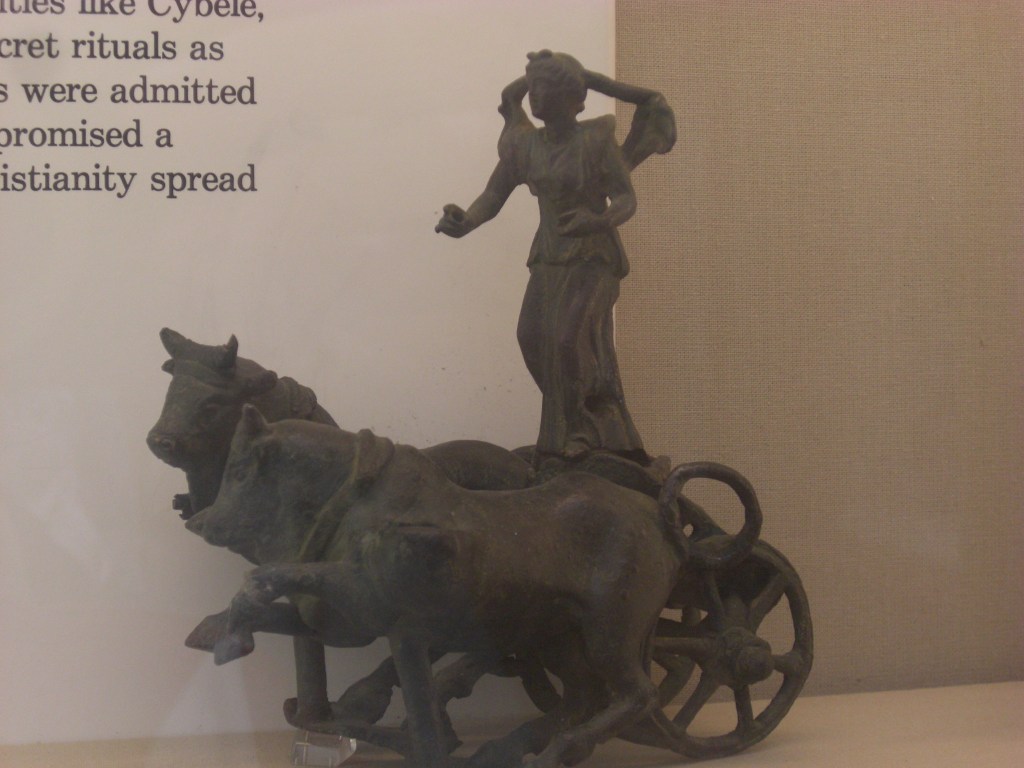
British Museum.


 Digital Maps of the Ancient World