Vulcan
Vulcan was the Roman god of fire and master of its many forms. From the destructive power of volcanoes to the scorching heat of deserts, his domain encompassed the untamed aspects of fire. However, Vulcan’s influence extended far beyond raw power. He was the patron of metalworking, the fiery heart of Roman industry.
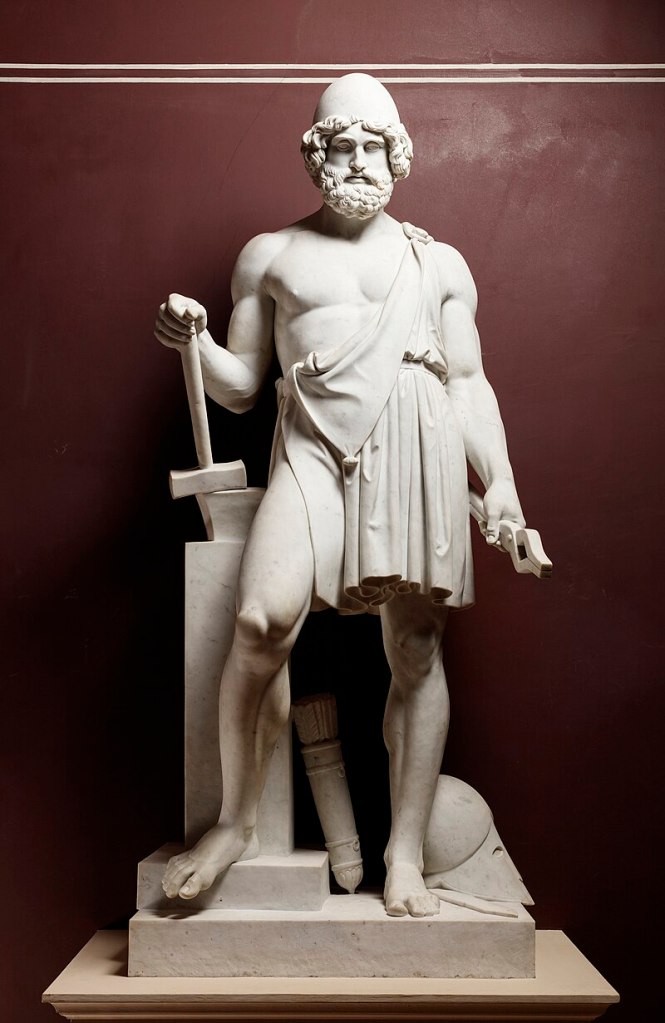
Symbols: Hammer
Parents: Jupiter and Juno
Siblings: Apollo, Bacchus, Bellona, Diana, Hercules, Mars, Minerva
Consort: Venus
Greek equivalent: Hephaestus
Festival: Vulcanalia
While often identified with the Greek smith-god Hephaestus, Vulcan possessed a broader domain. Like Hephaestus, he was the patron of metalworking, his forge a fiery heart where the tools and weapons of Roman civilization were forged. Evidence suggests this association dates back to the 6th c. BC.
However, Vulcan’s relationship with fire differed from his Greek counterpart. While Hephaestus was primarily associated with the constructive power of fire, Vulcan held sway over both its creation and destruction. The Romans, acutely aware of fire’s potential for devastation, particularly revered Vulcan’s ability to avert harmful conflagrations. His festivals and rituals often focused on appeasing this powerful deity, ensuring that his fiery influence would protect rather than consume.

Vulcan’s presence in Roman life stretched back centuries. His oldest shrine, the Vulcanal, stood at the foot of the Capitoline Hill in the Forum. Legend attributes its founding to Titus Tatius, the Sabine co-king, around the 8th century BC. This open-air altar served as a constant reminder of Vulcan’s importance and a place to appease his fiery temper. Later, by 214 BC, a temple dedicated to Vulcan was established on the Campus Martius, further solidifying his place in Roman religion. The annual Vulcanalia festival, held on August 23rd, served as a time to offer sacrifices and ensure Vulcan’s protective influence over the city.
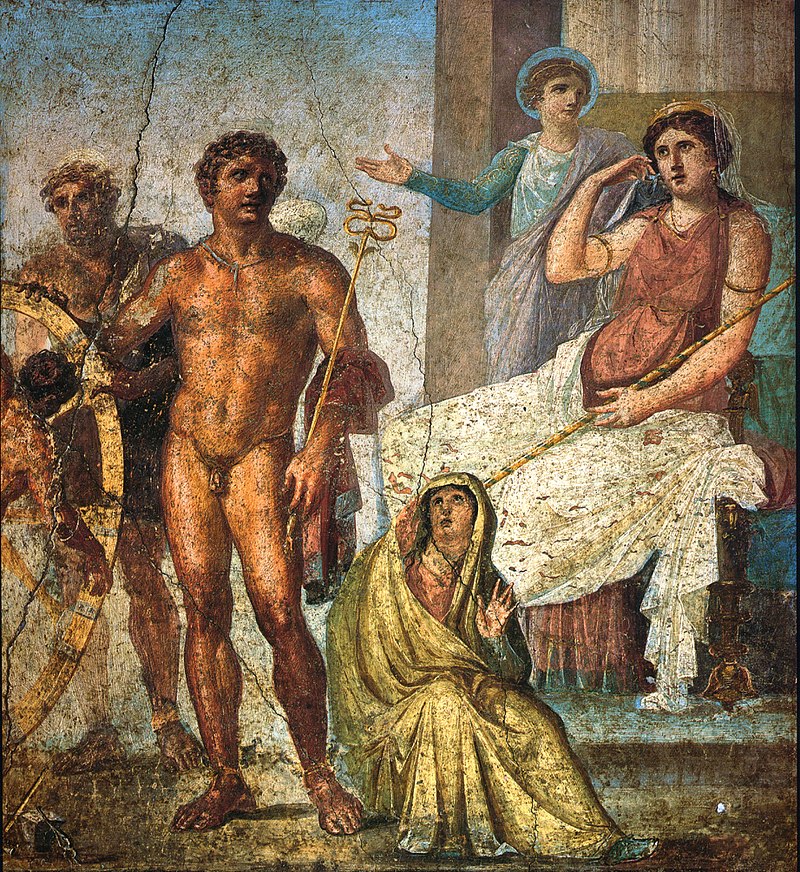
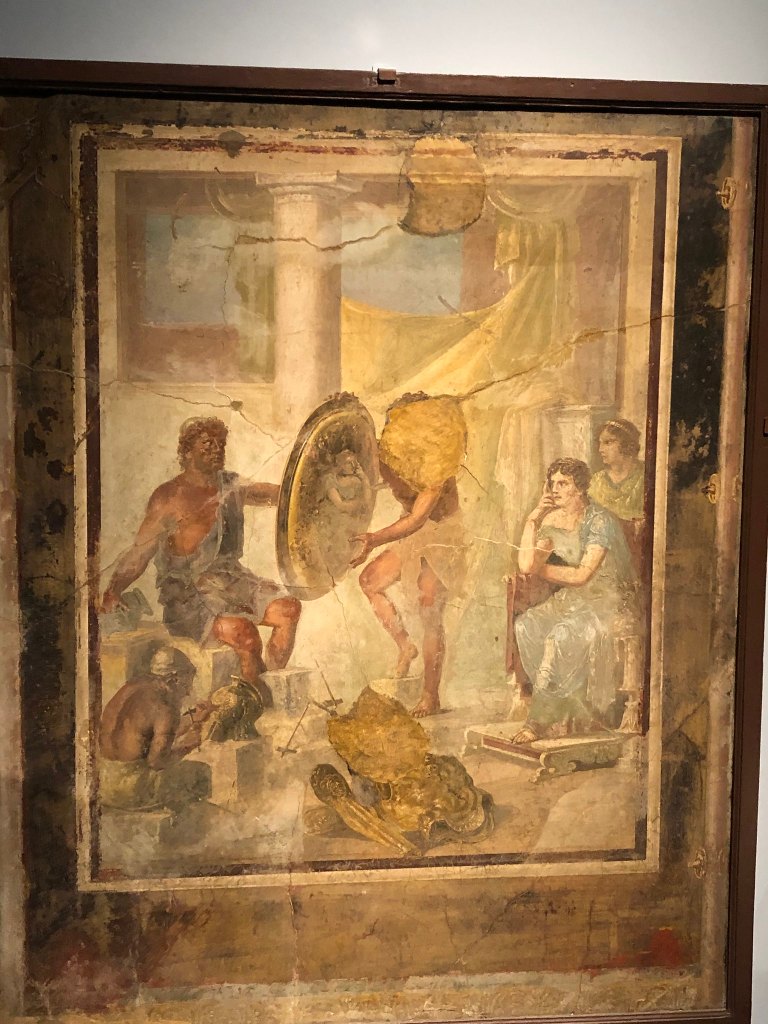
Art
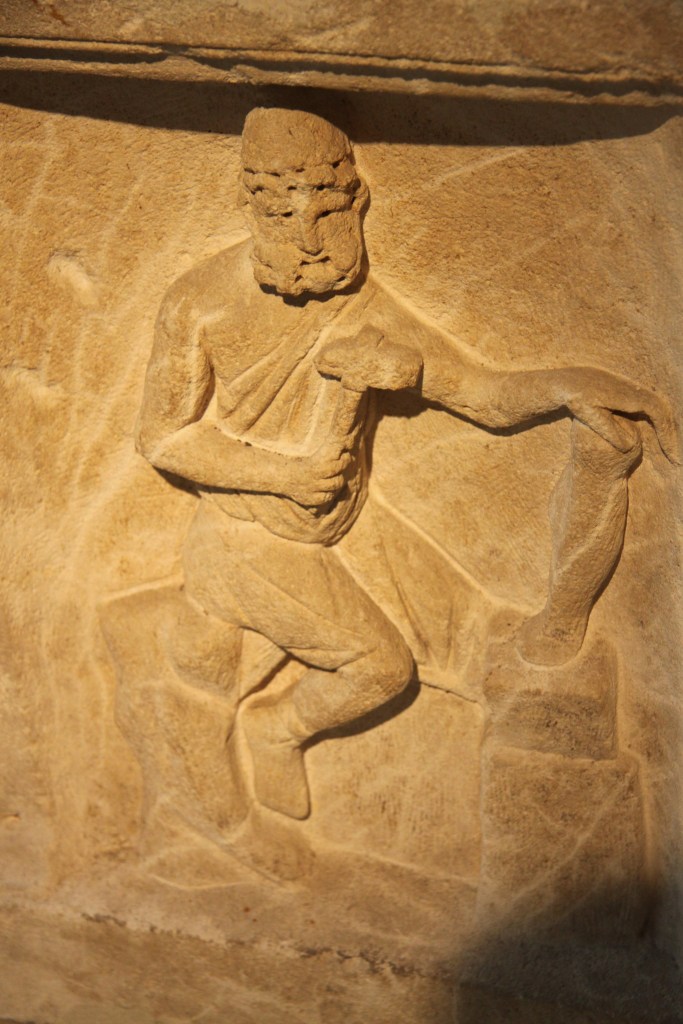
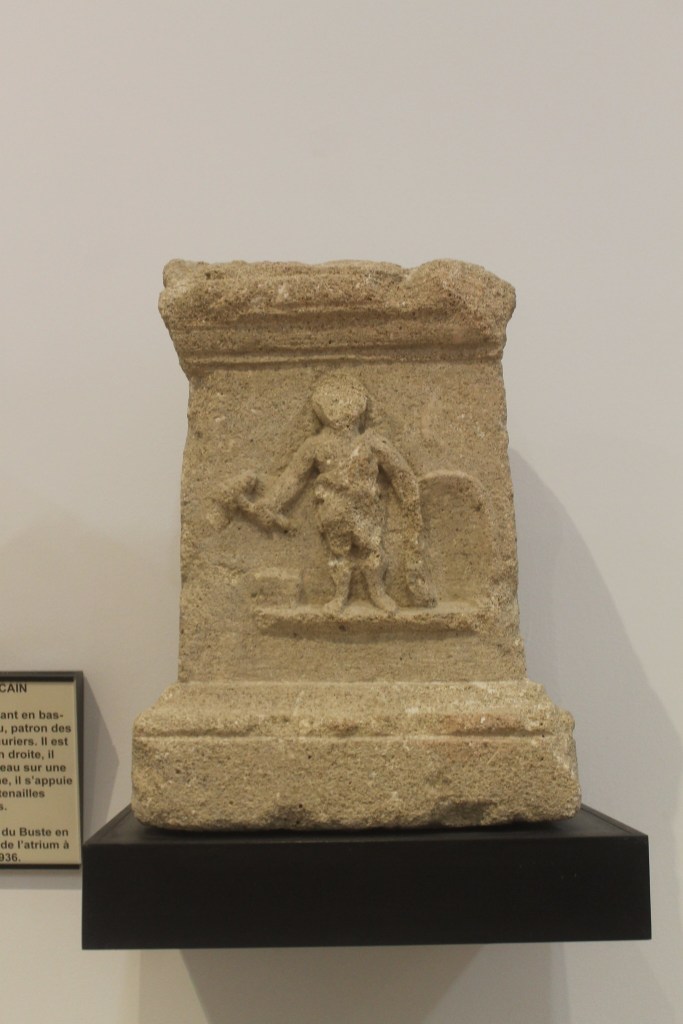

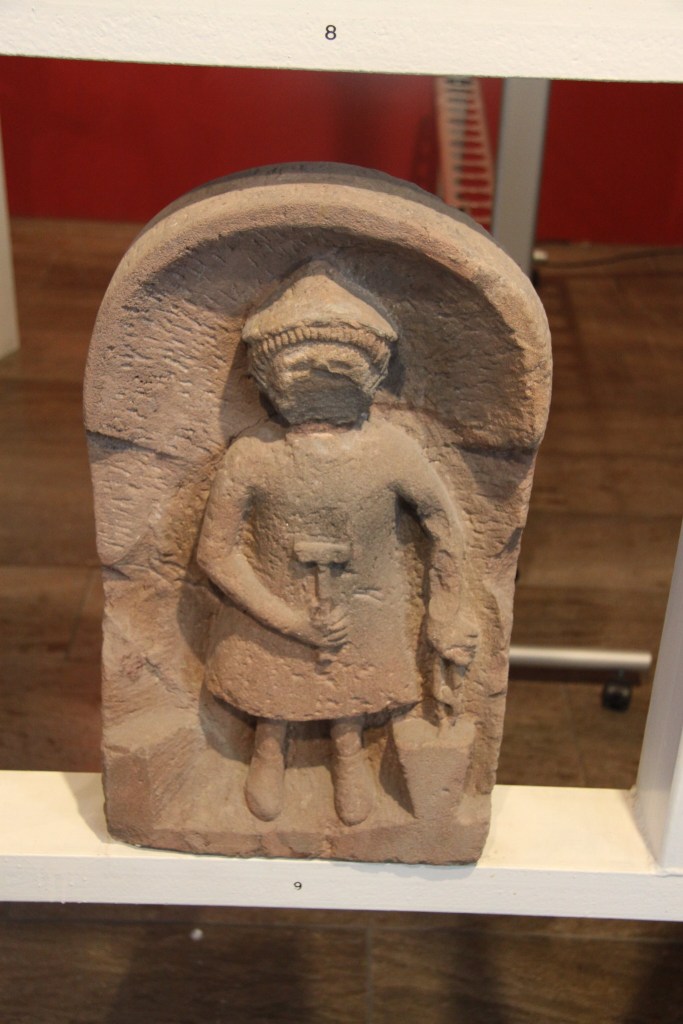
Mainz Landesmuseum.


 Digital Maps of the Ancient World