Feronia
Feronia presided over the wild things of the earth – animals, plants, and the untamed bounty of nature. Her domain extended to fertility, ensuring healthy crops and thriving life, and she was also seen as a guardian of health and abundance.
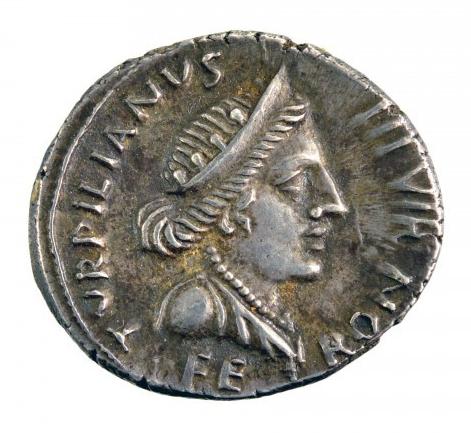
Festival: Feroniae
But Feronia wasn’t just a nature goddess. She held a unique role as a protector and champion of those seeking freedom. Slaves who yearned for emancipation and plebeians striving for greater social standing found hope and a patron deity in Feronia.
While inscriptions dedicated to Feronia are concentrated in central Italy, her true sanctuaries defied convention. Unlike most temples situated within cities, Feronia’s shrines thrived in the wild, far from human settlements. This preference for remote locations aligns with her nature-oriented domain. However, there seems to be one exception. Roman scholar Varro included Feronia among the Sabine gods with established altars in the heart of Rome, hinting at a possible integration of her worship into the urban landscape, despite her traditional connection with the wilderness.

 Digital Maps of the Ancient World