Vertumnus
Vertumnus was a Roman god of the seasons and the embodiment of change and growth itself. From the bursting buds of spring to the bountiful harvests of autumn, Vertumnus oversaw the ever-turning cycle of nature, ensuring the flourishing of gardens and the prosperity of fruit trees.

Festivals: Vertumnalia
Vertumnus and Pomona
Roman mythology offers a delightful tale of love, trickery, and the changing seasons. Vertumnus, the god of seasons, plant growth, and gardens, was smitten with Pomona, the beautiful nymph of orchards and fruit trees. However, Pomona remained dedicated solely to her verdant domain, uninterested in any suitors.
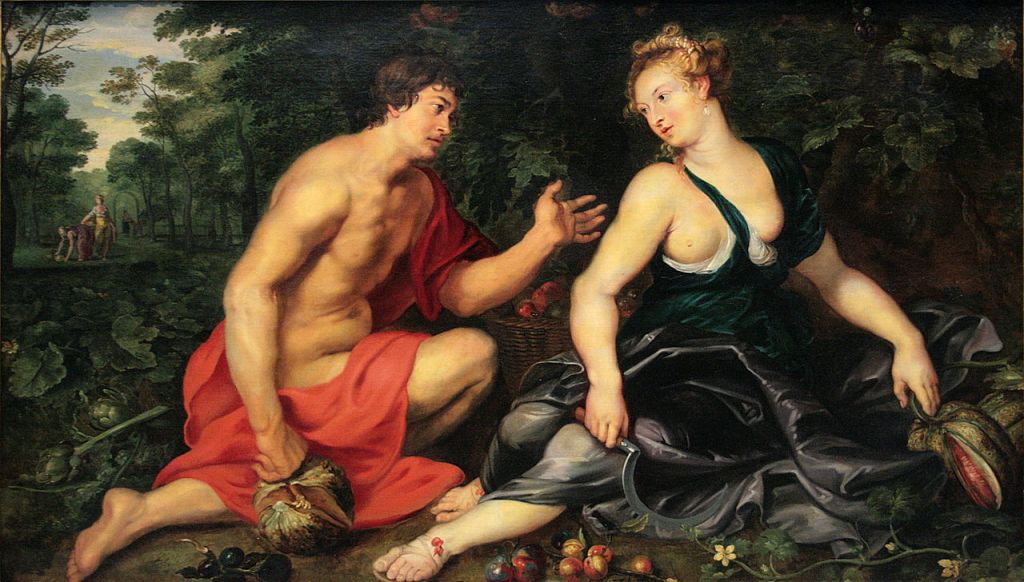
Undeterred, Vertumnus, known for his shape-shifting abilities, devised a clever plan. He disguised himself as an old woman, a frail and harmless figure, and gained entry to Pomona’s guarded orchard. Through this disguise, he engaged her in conversation, weaving a cautionary tale – the story of Iphis and Anaxarete – about the consequences of rejecting love. This captivating narrative, along with Vertumnus’ disguised charm, softened Pomona’s resolve.
The story of Vertumnus and Pomona, recounted in Ovid’s Metamorphoses, holds a unique place in Roman mythology. It’s considered the “first exclusively Latin tale,” meaning its origins and details are purely Roman, not borrowed from Greek myths.
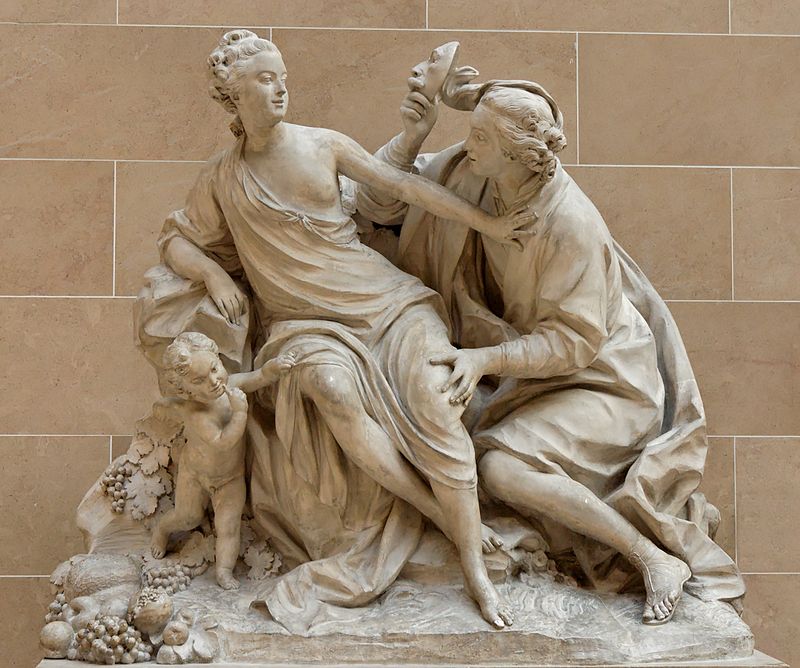
Ultimately, Vertumnus sheds his disguise, revealing his true form, and wins Pomona’s heart. Their union symbolizes the harmonious connection between the ever-changing seasons and the abundant fruitfulness of the earth.

 Digital Maps of the Ancient World