Ptah
Ptah held dominion over creation, craftsmanship, and architecture in Egyptian mythology.
As the patron deity of artisans and builders, Ptah was honored for his role in shaping the world and guiding human hands in the construction of temples and monuments. Depicted as a mummified figure with a skullcap and holding a scepter, Ptah symbolized the divine spark of creativity that infused all aspects of existence.
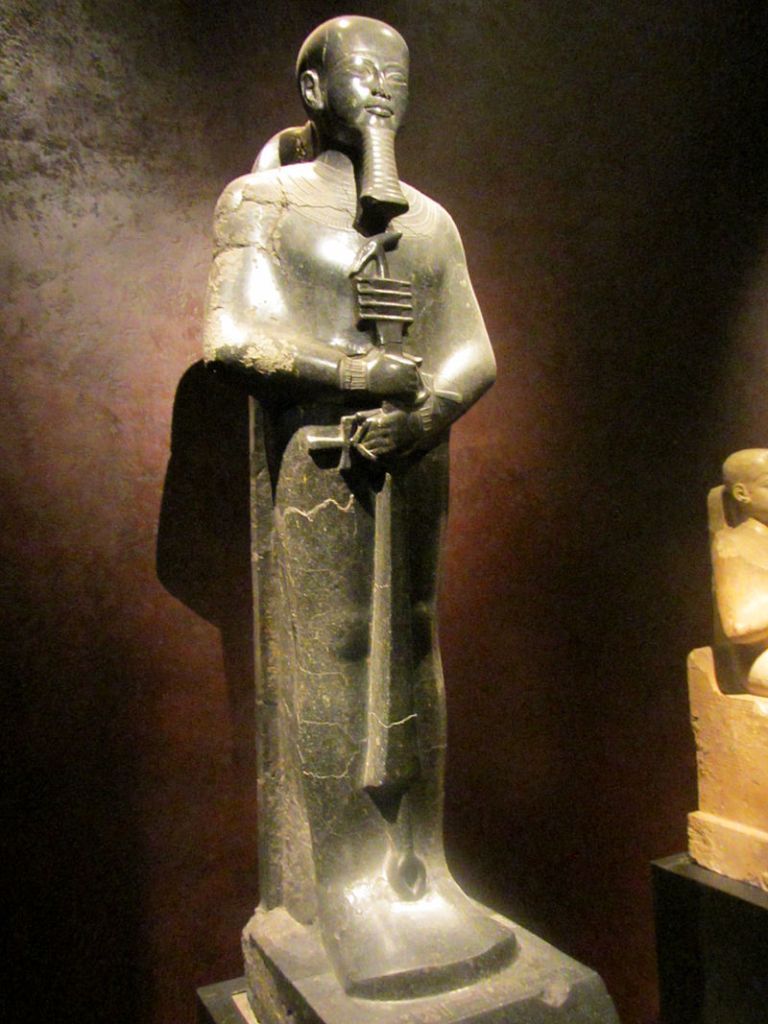
Symbols: Djed pillar and a bull
Cult Centre: Memphis
Consort: Sekhmet and Bastet
Children: Nefertem and Maahes
Greek equivalent: Hephaestus
Roman equivalent: Vulcan
Ptah is typically depicted as a human figure adorned in a shroud of green hue, symbolizing his association with rejuvenation and fertility. His countenance bears the divine beard, a hallmark of his deity status, while clasping a scepter that merges three potent symbols of Egyptian religious belief: the Was scepter, emblematic of power and dominion; the Ankh, representing life and vitality; and the Djed pillar, signifying stability and endurance.
Creator God
In certain Egyptian mythology, Ptah stands as a primordial force, existing before the dawn of creation itself. Through the sheer power of his divine will, Ptah envisioned the world into existence—a cosmos born from the depths of his contemplation and shaped by the might of his spoken Word.

With profound thought and unwavering intention, Ptah brought forth life and form, weaving together the intricate fabric of nature, from the majestic fauna to the verdant flora that adorn the earth. As the master craftsman of the universe, Ptah’s command resonated through the cosmos, giving rise to the myriad elements that comprise the natural world. Beyond creation, Ptah also assumes a vital role in the preservation of cosmic order and the enduring legacy of royal authority, ensuring the perpetuity of divine harmony and the sovereignty of earthly rulers.
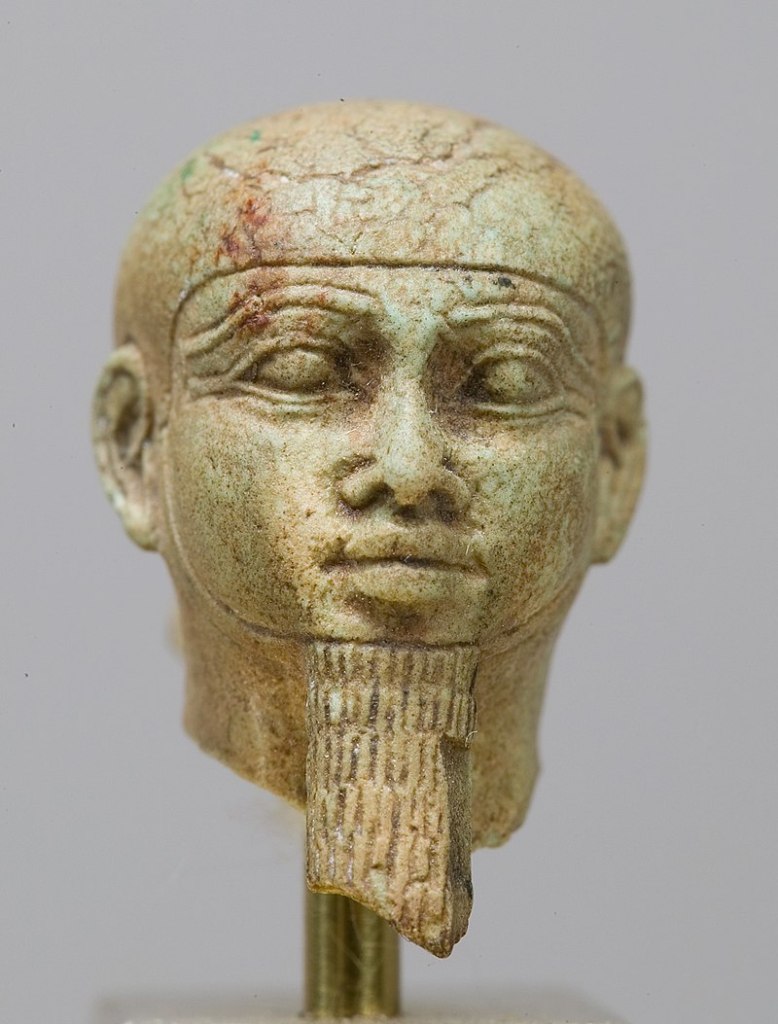

2. Ptah statue, c. 1070–712 BC. Metropolitan Museum of Art.
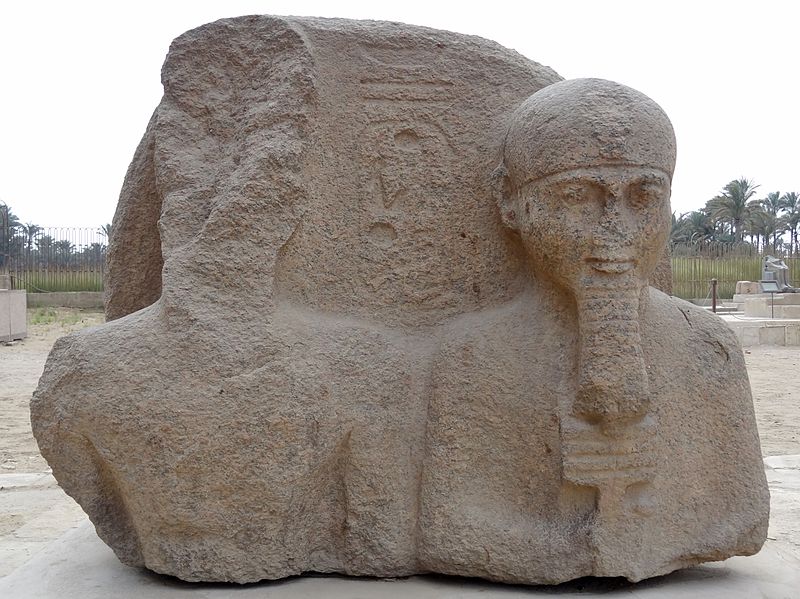
3. Damaged statue of Rameses II with Ptah, c. 1292–1189 BC. Memphis Museum. (c) Olaf Tausch

 Digital Maps of the Ancient World