Sol
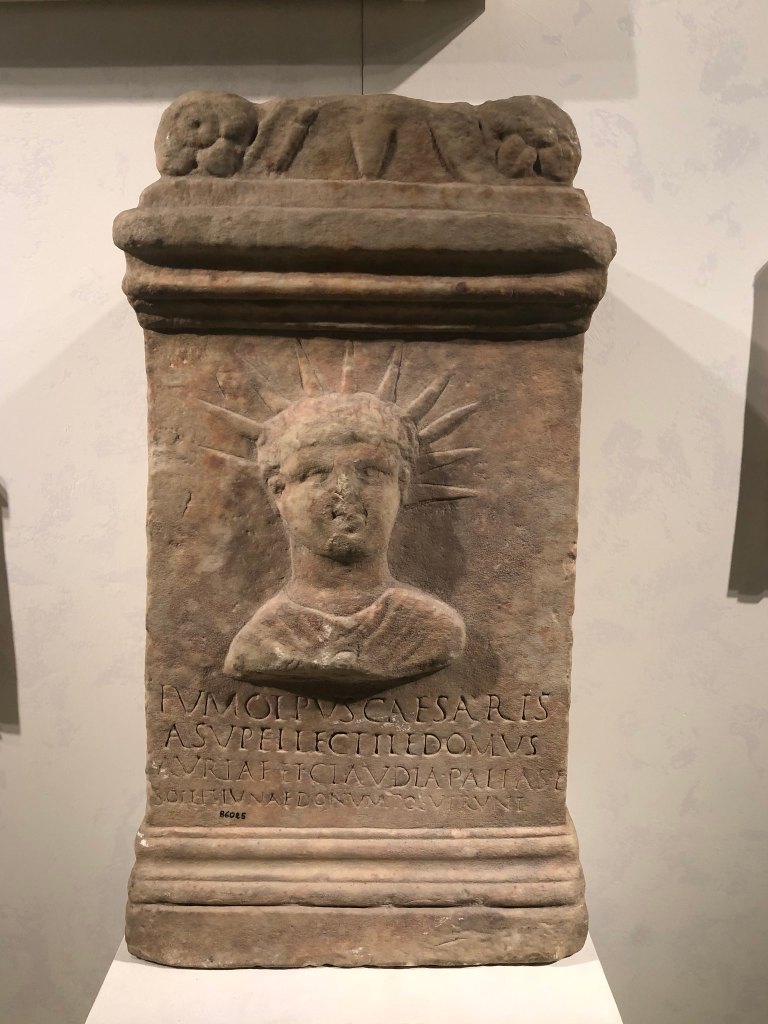
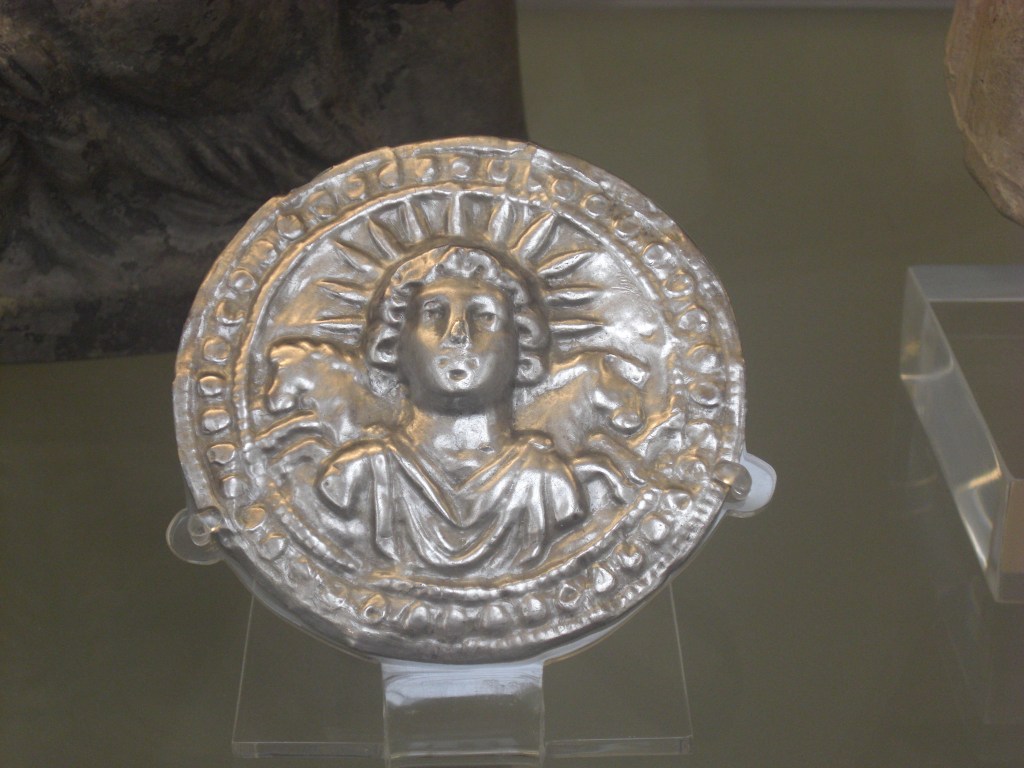
In Roman mythology, Sol was a majestic figure who rode a flaming chariot across the heavens each day. His journey brought light and warmth, nurturing life on earth. Romans often envisioned Sol with a radiant crown, symbolizing the sun’s brilliance. Interestingly, Sol’s origins were intertwined with the Sabine deity of the sun, also named Sol. This connection highlights the blend of native Roman and adopted influences in Roman religion.
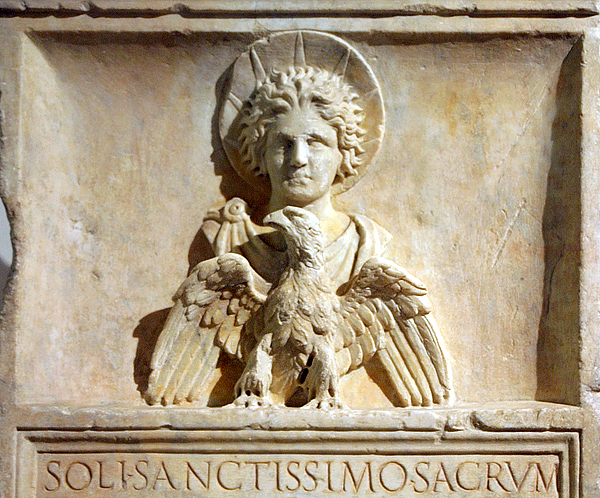
Symbols: The Sun
Greek equivalent: Helius
Shortly after the city’s founding, under the reign of Titus Tatius, Sol’s veneration began. He embodied light, warmth, life itself, and his daily chariot ride across the sky dictated the rhythm of existence. Sol’s importance continued throughout the Republic and Empire, though his character evolved.

By the later Roman Empire, a new facet of Sol emerged – Sol Invictus, the “Unconquered Sun.” This powerful image, introduced as a major cult by Emperor Aurelian in 274 AD, reflected the glory and strength the Romans associated with the sun’s brilliance. Sol Invictus resonated with the times, offering a symbol of enduring power during a period of political and social change.
Art
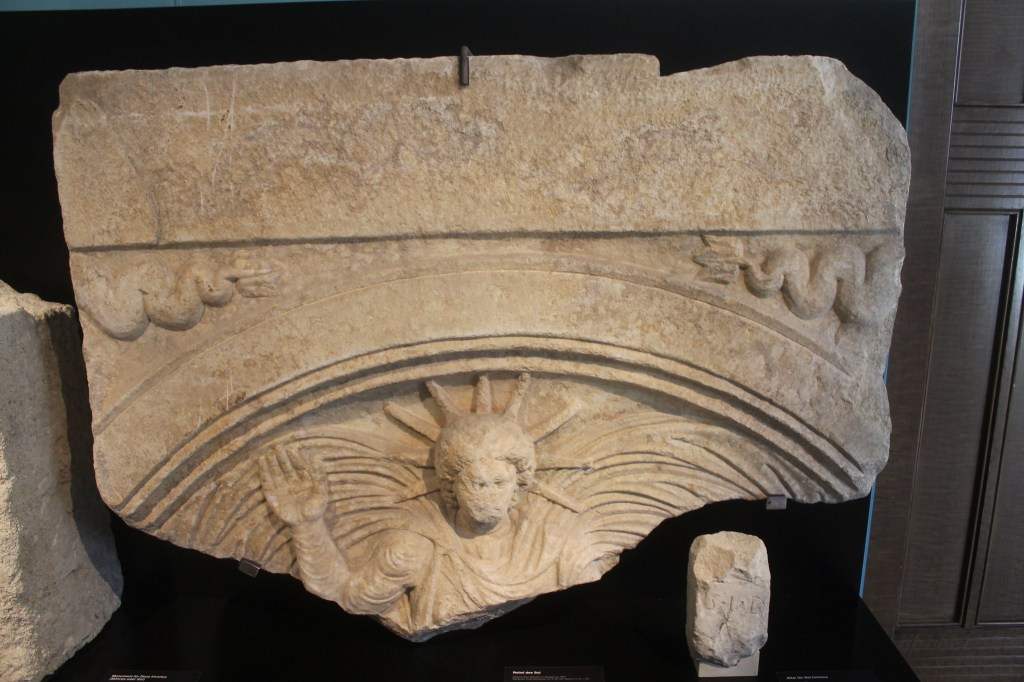
Museum Carnuntium.


 Digital Maps of the Ancient World