Set
Set held dominion over a realm of contrasting forces, embodying the untamed aspects of nature and the chaotic forces of the world in Egyptian mythology.
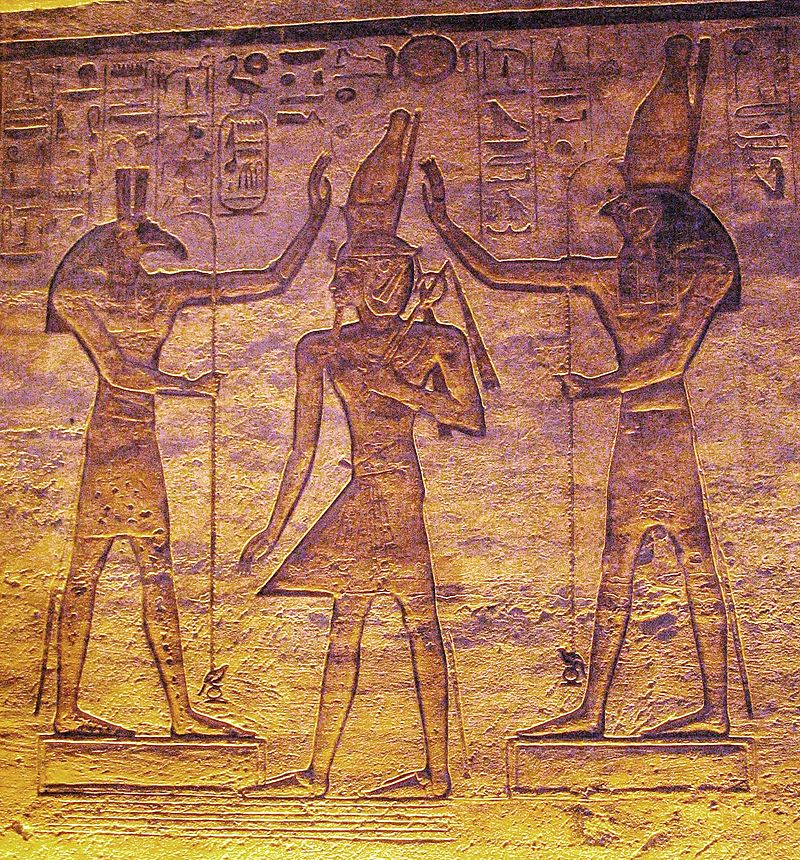
Symbols: Was-sceptre, Set animal
Cult Centre: Ombos
Parents: Geb and Nut
Siblings: Osiris, Isis, Nephthys, Horus the Elder
Consort: Nephthys
Children: Anubis
Greek equivalent: Typhon
As the god of deserts, storms, and disorder, Set symbolized the harsh and unpredictable elements of the natural world, particularly those associated with the arid expanses of Egypt’s desert landscapes. His domain extended beyond the physical realm to encompass the tumultuous forces of violence and conflict, reflecting the darker aspects of human nature and society.
Set’s role as a god of disorder and upheaval often placed him in opposition to the established order and harmony represented by other deities, particularly Osiris and Horus. His association with foreigners further emphasized his role as an outsider and a disruptive force, challenging the boundaries of Egyptian society and tradition. Despite his contentious nature, Set was not solely a malevolent deity; he also possessed attributes associated with strength, resilience, and protection, particularly in defending Egypt against external threats and adversaries.
Set Animal
Set is often portrayed in ancient Egyptian art as the enigmatic Set animal, a creature that defies conventional classification and embodies the essence of the god’s elusive nature. Egyptologists have struggled to identify the exact species represented by the Set animal, as it appears to be a fantastical composite creature with elements reminiscent of various animals.

The Set animal’s distinctive features include a curved snout, elongated rectangular ears, a slender forked tail, and a canine-like body, adorned with fur tufts arranged in an inverted arrow shape. This enigmatic creature, with its unique blend of characteristics, serves as a potent symbol of Set’s untamed and unpredictable essence.
Conflict with Osiris and Horus the Younger
Set harbored a relentless ambition to claim the throne of Egypt, which rightfully belonged to his brother, Osiris. In a treacherous act, Set orchestrated Osiris’s demise, employing cunning and deceit to achieve his nefarious goal. The method of Osiris’s murder varies among different accounts: while Egyptian sources suggest drowning, Greco-Roman renditions weave a more intricate tale. According to these narratives, Set meticulously crafted a sarcophagus tailored to Osiris’s form, luring him into its confines under false pretenses. With the coffin sealed, Set callously cast it into the Nile, symbolizing the depths of his betrayal.
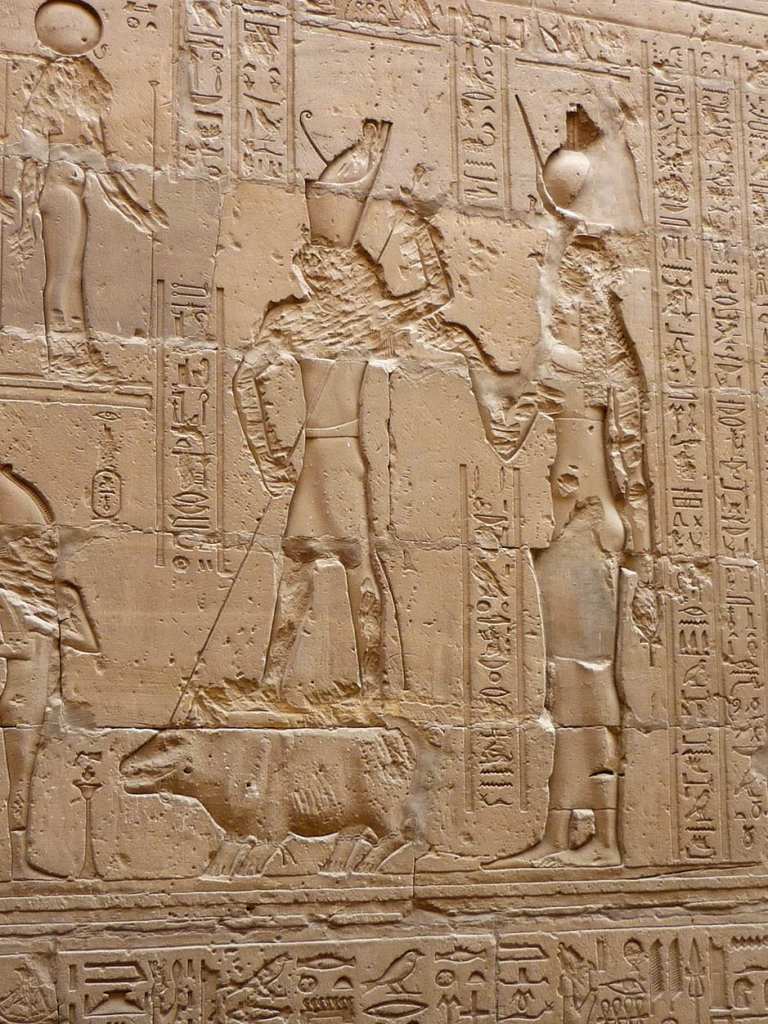
Despite Set’s machinations, Osiris’s devoted wife, Isis, embarked on a valiant quest to retrieve her husband’s scattered remains. With unwavering determination, Isis and her sister Nephthys painstakingly collected every fragment of Osiris’s body, save one devoured by a fish. Through her profound magic, Isis resurrected Osiris for a fleeting moment, conceiving their son, Horus the Younger, during this sacred reunion. Shielding Horus from Set’s malevolence, Isis nurtured her son, guiding him towards his destined role.
As Horus matured, he confronted Set in a protracted and tumultuous struggle, seeking justice for his father’s untimely demise. The conflict raged on for decades, epitomizing the eternal battle between order and chaos, justice and tyranny. In a climactic showdown, Set, embodying primal savagery, transformed into a formidable hippopotamus, intent on annihilating Horus. However, divine intervention thwarted Set’s malevolent scheme, preventing his total victory.

Through indomitable courage and divine providence, Horus emerged triumphant, avenging Osiris’s murder and securing his rightful place upon the throne of Egypt. This epic saga of sacrifice, resilience, and divine retribution endures as a testament to the enduring power of justice and righteousness in the face of adversity.
Protector of Ra
In Egyptian mythology, Set also played a crucial role in safeguarding the cosmic order by joining Ra on his celestial voyage aboard the solar barge. Set’s valor and prowess were showcased as he stood resolutely on the prow of the vessel, armed with his spear, ready to confront the menacing serpent of chaos, Apophis. With unwavering determination, Set engaged in a fierce battle against Apophis, tirelessly striving to thwart the serpent’s malevolent ambitions.
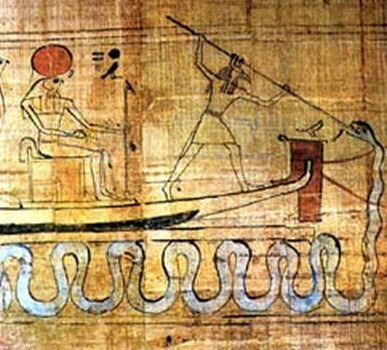
Set’s steadfastness and courage proved instrumental in Ra’s quest to maintain cosmic harmony and ensure the sun’s safe passage through the perilous realms of the underworld. Together, Set and Ra exemplified the enduring power of unity and resilience in the face of darkness and adversity, reaffirming the eternal struggle between order and chaos, light and darkness, within the rich tapestry of Egyptian mythology.


 Digital Maps of the Ancient World