The Middle Kingdom (c. 1980-1630 BC)
The Middle Kingdom of Ancient Egypt, extending from c. 1980-1630 BC, marked a significant period of reunification and centralization following a period of fragmentation and instability. This era, spanning the Eleventh to the Fourteenth Dynasties, saw the consolidation of power under a single ruler, bringing about a renewed sense of unity and stability to the region.
The Middle Kingdom is characterized by notable advancements in art, literature, and architecture, as well as extensive diplomatic and military campaigns aimed at expanding Egypt’s influence and territory. Moreover, it witnessed the development of a more benevolent form of kingship, with pharaohs emphasizing their roles as paternal figures responsible for the well-being of their subjects.

Click Here for the Timeline of Ancient Egypt
After subjugating the Tenth Dynasty rulers of Lower Egypt, Mentuhotep II achieved the reunification of Egypt, heralding the onset of the Middle Kingdom. His successors, Mentuhotep III and Mentuhotep IV, further consolidated his conquests. However, the transition to the Twelfth Dynasty was marked by political upheaval, possibly including a civil conflict between Amenemhet I and Mentuhotep IV.
Despite this, Amenemhet I emerged as the inaugural ruler of the Twelfth Dynasty, initiating a period characterized by vigorous border fortifications and territorial expansion. Particularly noteworthy were the efforts of kings such as Senusret I and Senusret III, who led campaigns into Nubia, securing Egypt’s southern frontier and enhancing its influence in the region. These military endeavors contributed to the stability and prosperity of the Middle Kingdom, fostering cultural and economic growth within Egypt.
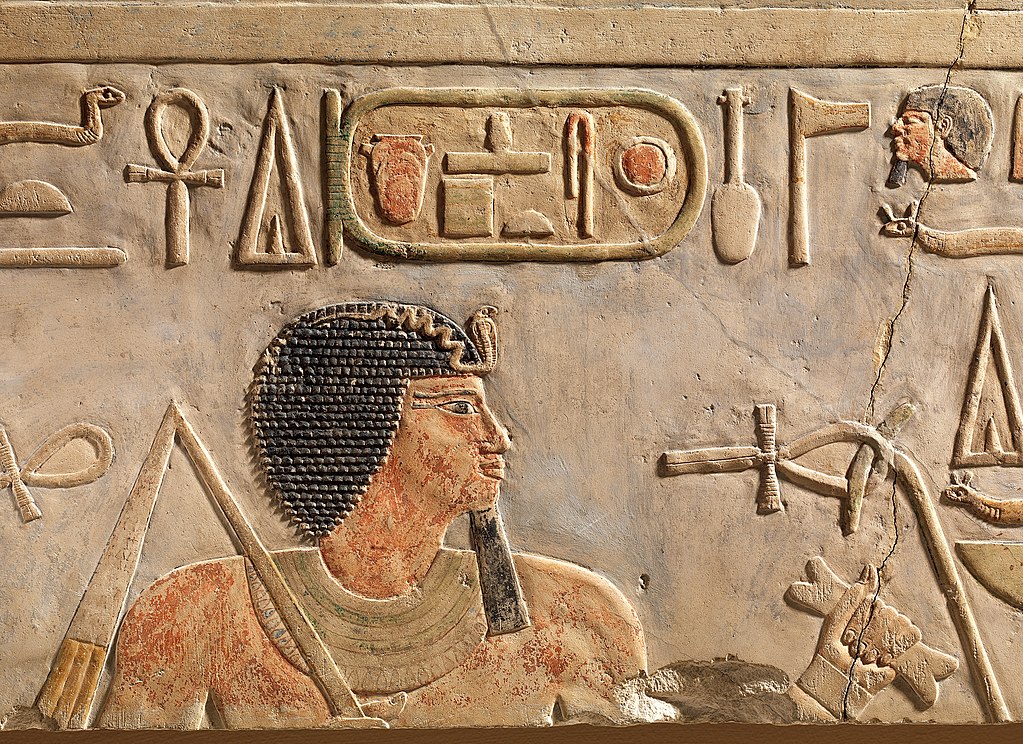
During the Middle Kingdom, Egypt underwent significant administrative reforms under the reigns of Amenemhet I and Senusret III. These reforms centralized power by allowing the kings to directly appoint high officials, aiming to curtail the influence of the nomarchs who had amassed significant power during the tumultuous First Intermediate Period. These nomarchs, who governed the Egyptian nomes, had previously held hereditary positions, but now faced stricter oversight from the central government.
Additionally, the Middle Kingdom witnessed a period of economic prosperity, notably marked by the expansion of agricultural practices through the irrigation of the Fayum region under Senusret II. Moreover, Amenemhet III oversaw semi-permanent mining operations in the Sinai Peninsula and Wadi Hammamat, further boosting economic growth and resource extraction. However, despite these advancements, the Twelfth Dynasty eventually came to a close following the reign of Sobekneferu, the first historically documented female pharaoh, signaling the end of Egypt’s Golden Age.
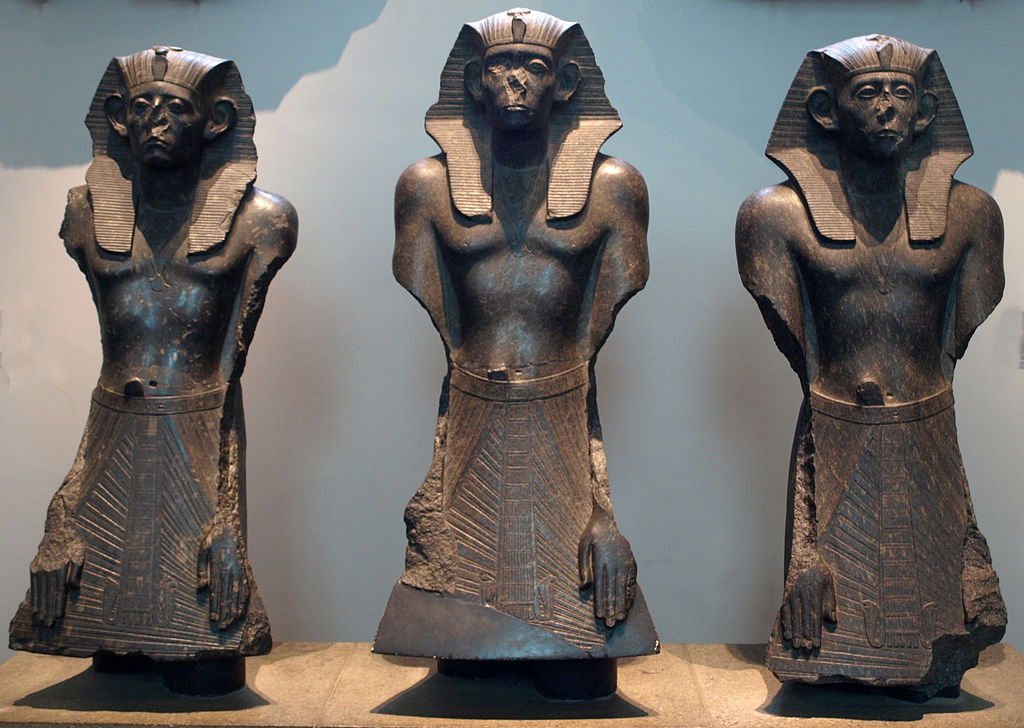
The Thirteenth Dynasty of Egypt represents a period of gradual decline during the Middle Kingdom. While there is limited evidence available regarding many of the kings of this dynasty, it appears that they managed to maintain control over a unified Egypt until the end of the reign of Neferhotep I.
However, following his rule, the Fourteenth Dynasty emerged, seizing control of parts of the Nile Delta concurrently with the Thirteenth Dynasty. This overlapping rule between the two dynasties further complicated the political landscape of Egypt during this period of transition and decline.
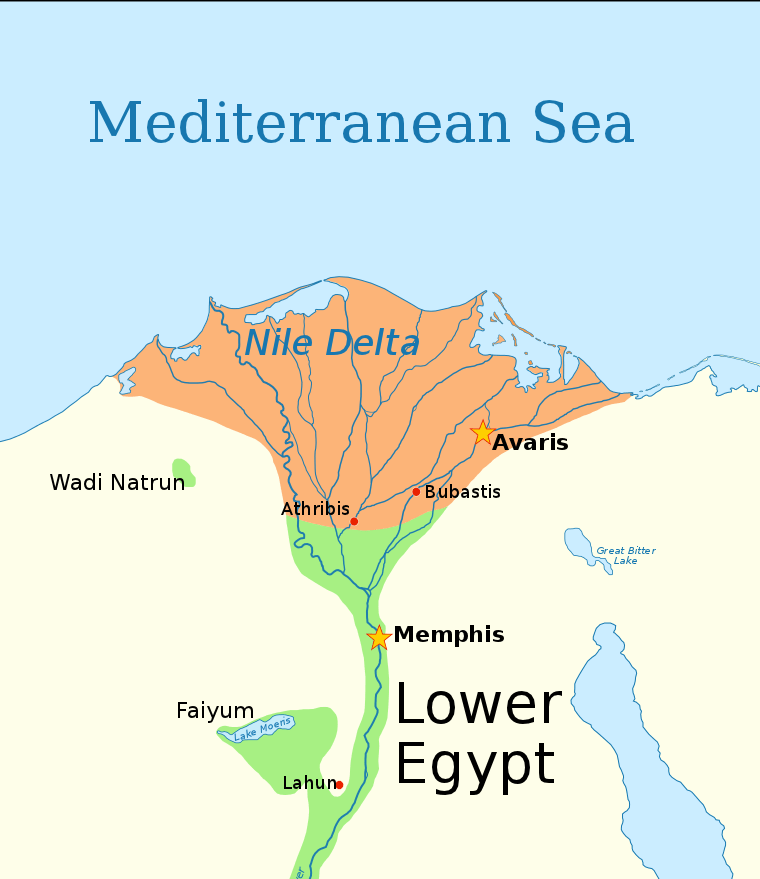
While the Middle Kingdom represented a pinnacle of prosperity and cultural achievement in ancient Egypt, its decline marked the onset of the Second Intermediate Period, characterized by disunity and cultural regression. Following the collapse of the Twelfth Dynasty, Egypt entered a phase of political fragmentation and foreign incursions. The weakening central authority allowed regional rulers, known as the Hyksos, to establish control over parts of the Nile Delta, introducing a period of foreign domination and upheaval. This era of instability and conflict marked a departure from the centralized rule and cultural flourishing of the Middle Kingdom, signaling a challenging time for Egypt as it grappled with internal strife and external pressures.

 Digital Maps of the Ancient World