Baal Hammon
Baal Hammon, the name itself meaning “Lord Hammon,” reigned supreme in the Carthaginian pantheon. His origins likely trace back to the Canaanite god Baal, a powerful deity linked to weather, fertility, and kingship. However, the Carthaginians transformed him into a more specific figure – the undisputed ruler of their gods, responsible not only for harvests and rain, but for the very well-being of Carthage itself.

Consort: Tanit
Greek equivalent: Cronus
Roman equivalent: Saturn
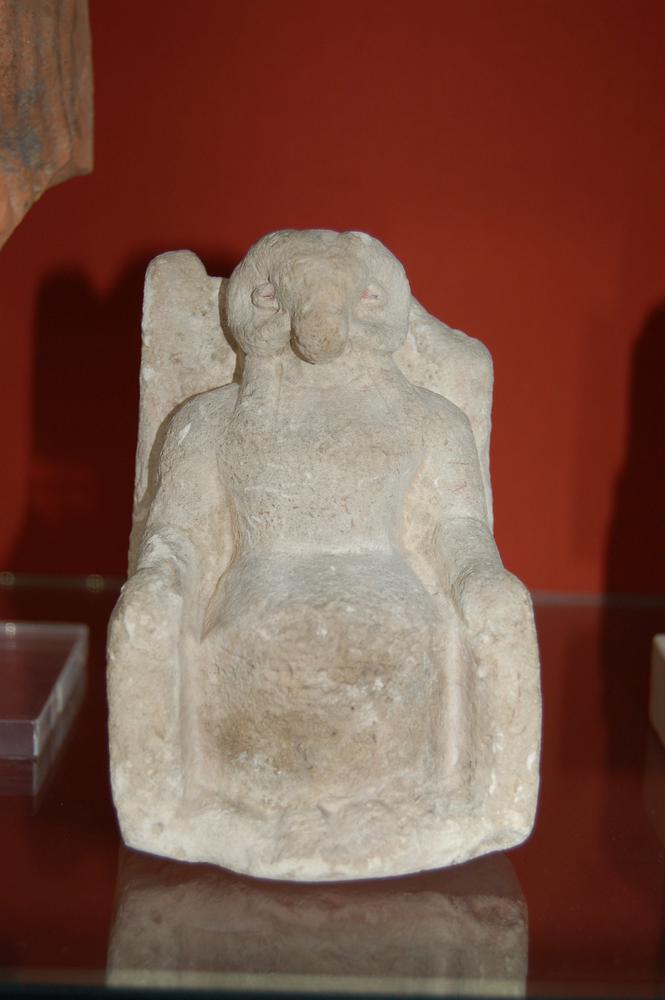
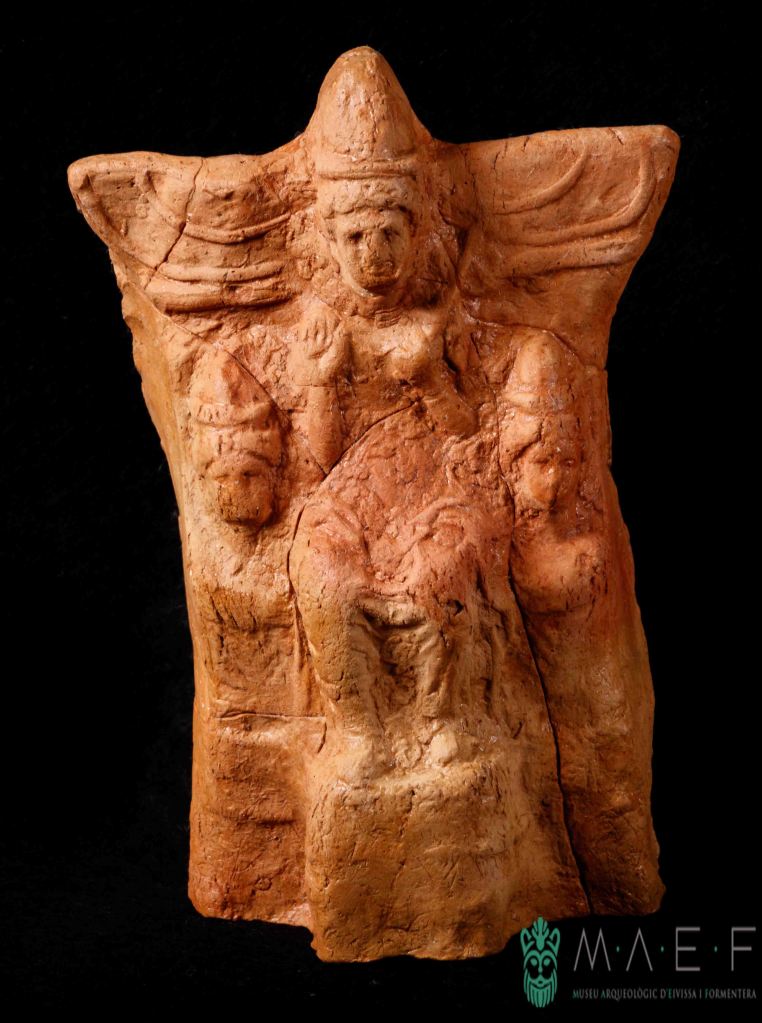
Carthaginian artists depicted Baal Hammon as a majestic figure – a bearded older man adorned with a crown, a symbol of his kingly status. Curling ram’s horns, perhaps signifying strength and virility, were another distinctive feature. He might also be depicted holding a scepter or staff, further emphasizing his authority.
As the king of the gods, Baal Hammon was seen as the ultimate source of life and fertility. He ensured good harvests, bountiful rains, and the overall prosperity of the Carthaginian people. Some scholars even believe he was associated with the sun, drawing connections to Egyptian sun gods. There’s also a possibility that Baal Hammon was involved in a cosmic struggle, similar to battles found in other ancient mythologies, representing the cycle of seasons and the delicate balance of nature.
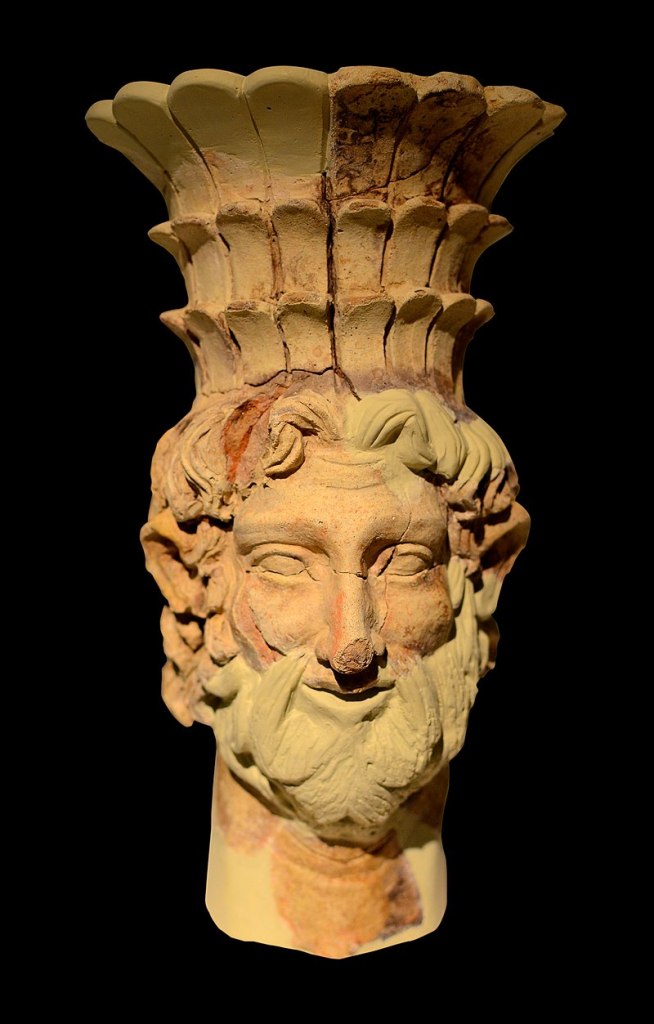
Despite the destruction of Carthage by the Romans, Baal Hammon’s legacy continues to hold our interest. His image and symbols have been found across the Carthaginian empire, highlighting his widespread veneration. However, the exact details of his cult practices and rituals remain shrouded in some mystery. Limited written records and the bias of Roman and Greek accounts leave much to be pieced together through archaeological finds.
Art


 Digital Maps of the Ancient World