Cyclopes
The Cyclopes were a fearsome race of giants. Their singular, powerful eye glared from the center of their forehead, striking fear into the hearts of all who saw them.
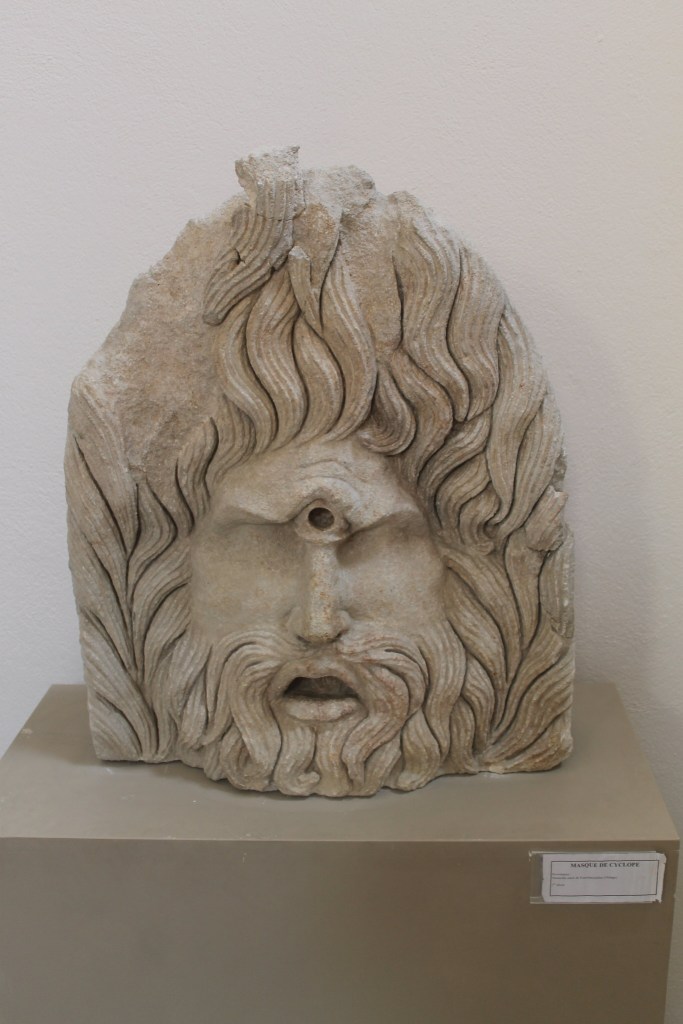
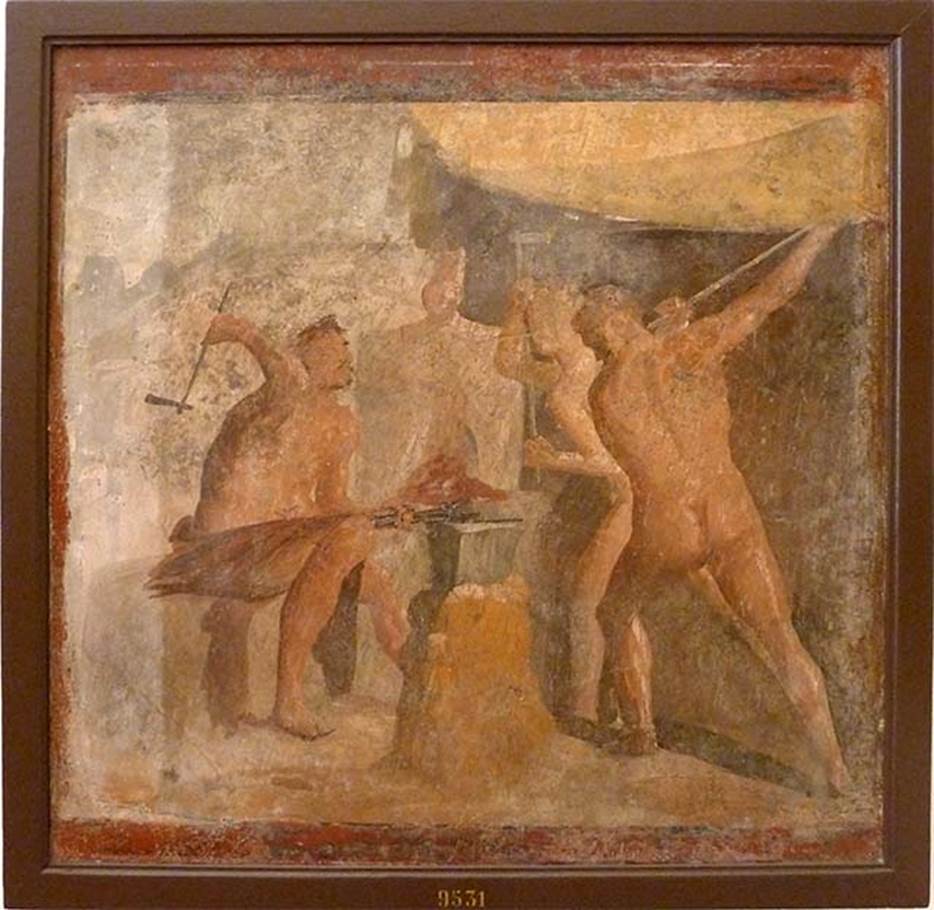
Some were indeed monstrous shepherds, while others, like the three brothers Brontes, Steropes, and Arges, were immortal giants who served as blacksmiths for the gods, crafting Zeus’ thunderbolts:
The Elder Cyclopes
Unlike their monstrous kin, the three Cyclopes – Arges, Brontes, and Steropes – were immortal giants, revered for their forging skills. Feared by their father Uranus, they were imprisoned deep within the earth. Later freed by Zeus, they became the blacksmiths of Olympus, wielding their immense strength to craft powerful weapons – Zeus’ lightning bolts, Poseidon’s trident, and Hades’ helm – forever entwining their fate with the rise of the Olympian gods.
The Younger Cyclopes
Parents: Gaia
The Cyclopes of Sicily weren’t your typical giants. This rough tribe of cave-dwellers, known for their single, powerful eye in the center of their foreheads, subsisted on herding sheep across the rugged Sicilian landscape. Among them stood Polyphemus, a towering figure even amongst his giant kin. Unlike his brethren, rumor whispered of a divine lineage – the son of the mighty sea god Poseidon himself, granting him exceptional strength and a wild, unpredictable nature.
Polyphemus
Parents: Poseidon and Thoosa
Trapped in Polyphemus’ cave, Odysseus outsmarted the monstrous giant with a potent blend of wine and deception. While Polyphemus snored off his inebriation, Odysseus plunged a burning stake into the giant’s single eye, a horrifying but necessary act of survival. Blinded and enraged, Polyphemus roared in pain, but Odysseus and his men managed to escape the cave under the cover of darkness. Though they sailed away to freedom, Polyphemus’ vengeful cry echoed across the waves, a curse that would follow Odysseus for years to come.

Polyphemus wasn’t all monstrous rage. A surprising side of the giant lay in his love for the beautiful sea nymph Galatea. He serenaded her with music and song, but alas, his one eye and unrefined ways weren’t enough to win her heart. Galatea yearned for the shepherd Acis. When Polyphemus discovered their love in a hidden cove, a jealous fury overtook him. With a roar that shook the cliffs, he hurled a massive boulder, crushing the unsuspecting Acis beneath its weight. This act of cruelty, born from unrequited love, would forever stain Polyphemus’ legacy.

 Digital Maps of the Ancient World