Demeter
Demeter held a central role in ancient Greek mythology as the goddess of agriculture and fertility. She was typically depicted as a mature woman, often crowned with grain or wearing a wreath of wheat.
As the goddess of agriculture, Demeter was responsible for the fertility of the earth and the bountiful harvests that sustained mankind. She was particularly associated with grains such as wheat and barley, which were vital crops in ancient Greek society.

Residence: Mount Olympus
Symbols: Cornucopia, wheat, torch and bread
Parents: Cronus and Rhea
Consort: Iasion, Zeus, Carmanor, Poseidon
Siblings: Hestia, Hades, Hera, Poseidon, Zeus, Chiron
Children: Persephone, Despoina, Arion, Plutus, Philomelus, Eubuleus and Chrysothemis
Roman equivalent: Ceres
Birth
According to Greek mythology, Cronus, fearing that he would be overthrown by his own children, swallowed each of them immediately after they were born. This included Demeter and her siblings—Hestia, Hera, Hades, Poseidon, and Zeus. However, when Zeus was born, his mother Rhea sought to save him from the same fate as his siblings.
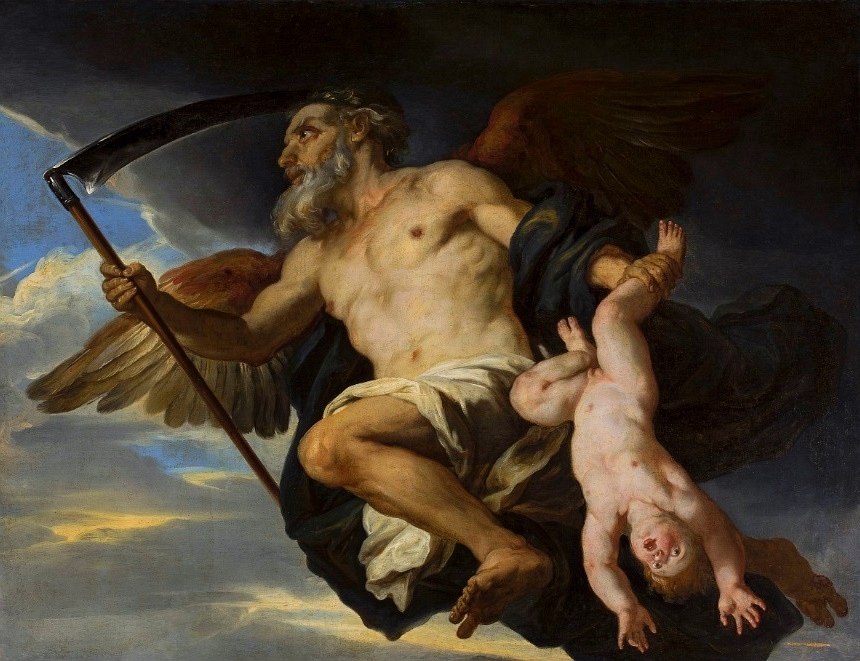
Rhea, with the help of the Titaness Metis, devised a plan to save Zeus from Cronus’s voracious appetite. Metis prepared a potion or concoction that would cause Cronus to vomit up his swallowed children. After administering the potion to Cronus, he indeed regurgitated his swallowed offspring—Demeter and her siblings—allowing them to emerge into the world once again.
This event marked a turning point in the struggle between the Titans and the Olympian gods, as Zeus and his siblings ultimately overthrew Cronus and the other Titans, establishing themselves as the rulers of the cosmos. Demeter’s release from Cronus’s stomach allowed her to take her place among the Olympian deities and fulfill her role as the goddess of agriculture and fertility.
Persephone
According to the myth, Persephone, the daughter of Demeter, was picking flowers in a meadow when Hades, the god of the underworld, abducted her and took her to his realm. Demeter, stricken with grief and rage at the loss of her daughter, searched frantically for Persephone, neglecting her duties as the goddess of agriculture. As a result, the earth became barren, crops withered, and famine threatened humanity.
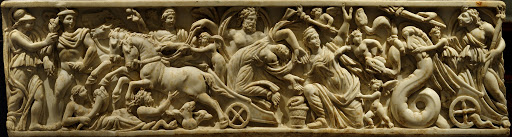
Upon learning of Persephone’s abduction, Zeus intervened and ordered Hades to release her. However, because Persephone had eaten a few pomegranate seeds while in the underworld, she was bound to Hades for a portion of each year. During this time, Demeter mourned her daughter’s absence, causing the earth to enter a period of dormancy and cold known as winter. When Persephone returned to the surface world, Demeter’s joy and relief ushered in the spring, marked by the rejuvenation of plant life and the return of fertility to the land.
This cycle of Persephone’s departure and return from the underworld was believed to correspond with the changing seasons, with her descent symbolizing the onset of winter and her ascent representing the arrival of spring. The myth thus served to explain the cyclical nature of the seasons and the agricultural calendar, providing a narrative framework for ancient Greeks to understand the natural world around them.
Eleusis
According to Greek mythology, during her search for Persephone, Demeter arrived at the palace of Celeus in Eleusis, where she was received with kindness. Disguised as an old woman, Demeter took on the role of a nursemaid for Celeus’s sons, Demophon and Triptolemus. As a gesture of gratitude for Celeus’s hospitality, Demeter planned to make Demophon immortal by anointing him with ambrosia and placing him in the fire to burn away his mortality.
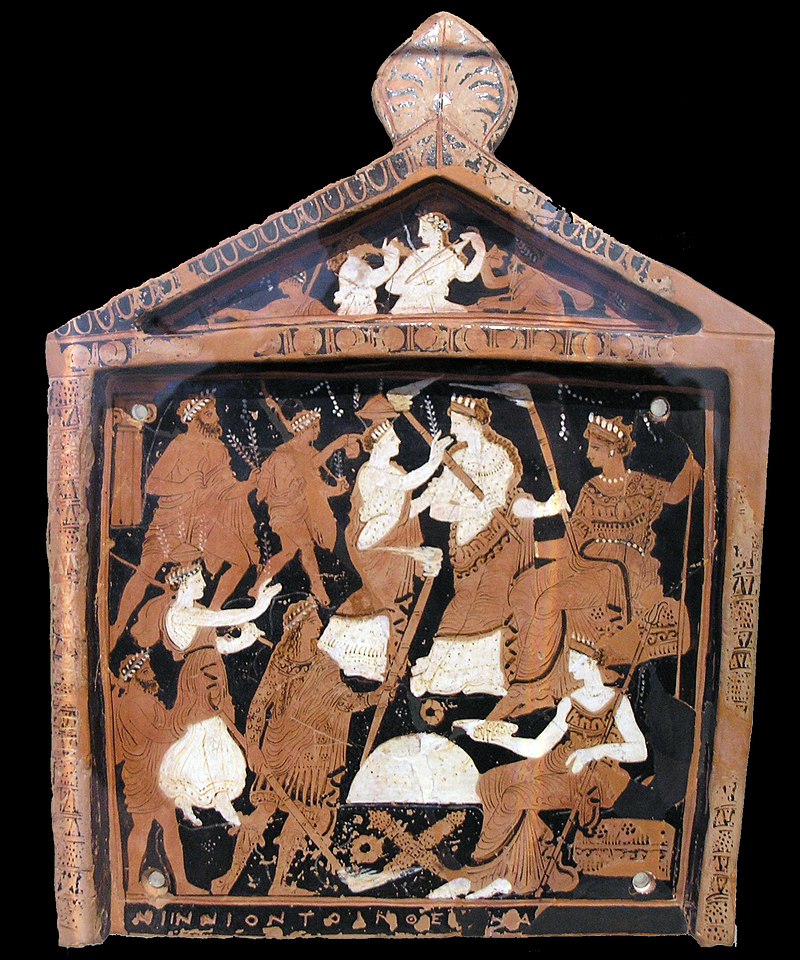
However, when Metanira, Demophon’s mother, discovered what was happening, she was horrified and intervened, disrupting Demeter’s plan. Demeter then revealed her true identity and withdrew her offer to make Demophon immortal. Instead, she decided to teach Triptolemus the secrets of agriculture, instructing him in the art of sowing and harvesting grain.
Triptolemus became a significant figure in Greek mythology and was credited with spreading the knowledge of agriculture to humanity. He traveled across the world, sharing Demeter’s teachings and helping to improve agricultural practices. This myth is often associated with the Eleusinian Mysteries, an ancient religious tradition centered around Demeter and Persephone, which played a significant role in Greek religious life and cultural identity.
Poseidon
According to the myth, Poseidon, the god of the sea, desired Demeter, the goddess of agriculture and fertility. To escape his advances, Demeter transformed herself into a mare and sought refuge among the horses of King Oncius. Despite her transformation, Poseidon managed to assault her in the form of a stallion, resulting in the birth of the magnificent horse Arion.
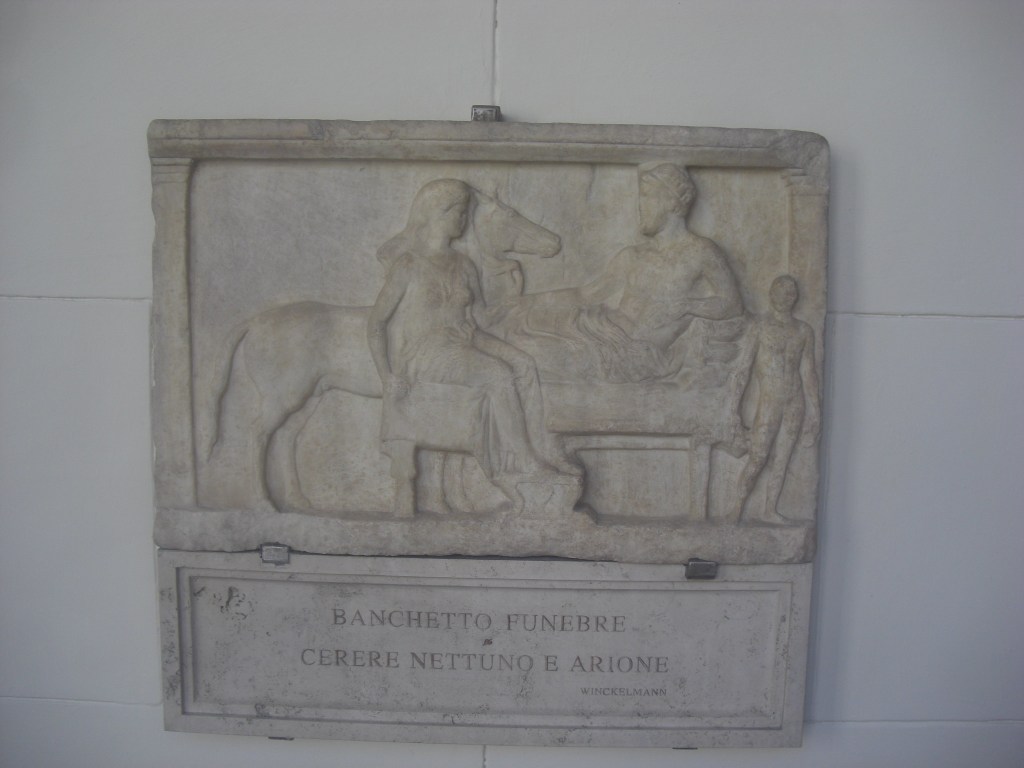
Palazzo Altemps.
King Oncius later kept Arion and eventually gifted him to Heracles as the hero embarked on a military campaign against Elis. Arion went on to become a legendary and revered horse in Greek mythology, known for his incredible speed and beauty.
Erysichthon
Erysichthon’s act of desecrating Demeter’s sacred grove and cutting down the trees, especially the oak tree adorned with votive wreaths, provoked the anger of the goddess. His direct killing of a dryad nymph further aggravated his offense. As punishment, Demeter called upon Limos, the spirit of insatiable hunger, to afflict Erysichthon.
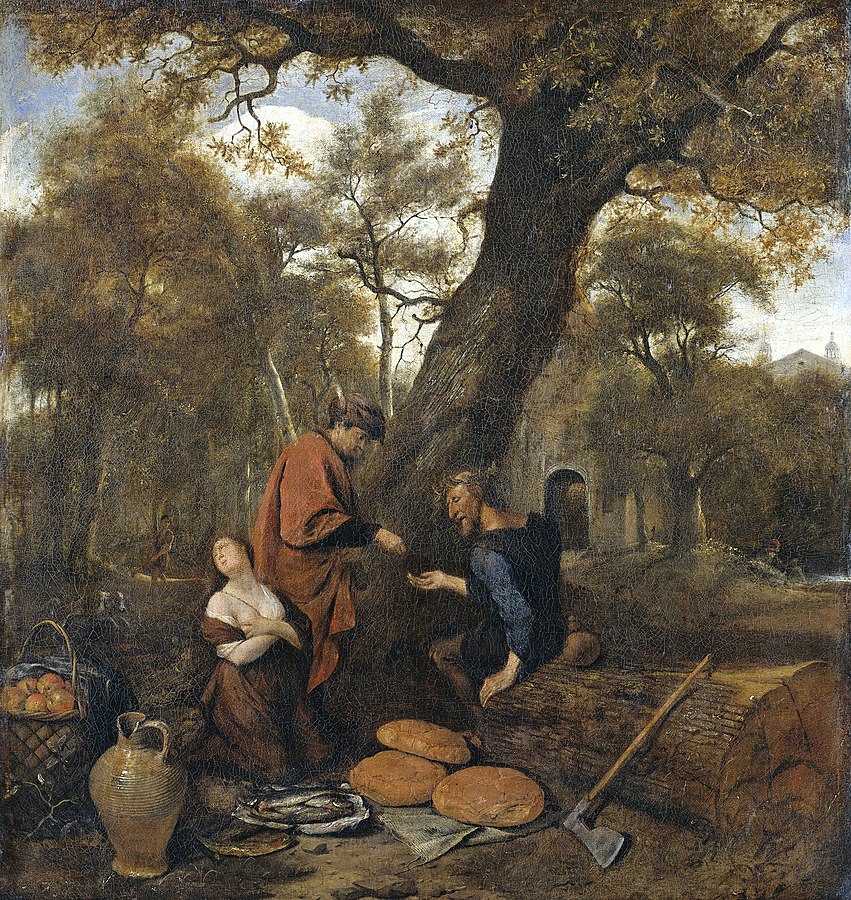
Despite his desperate attempts to satiate his hunger, including selling his possessions and even his own daughter into slavery, Erysichthon’s hunger remained unquenched. His insatiable appetite eventually led to his own demise when he consumed himself, illustrating the consequences of disrespecting the gods and nature in Greek mythology.
Art


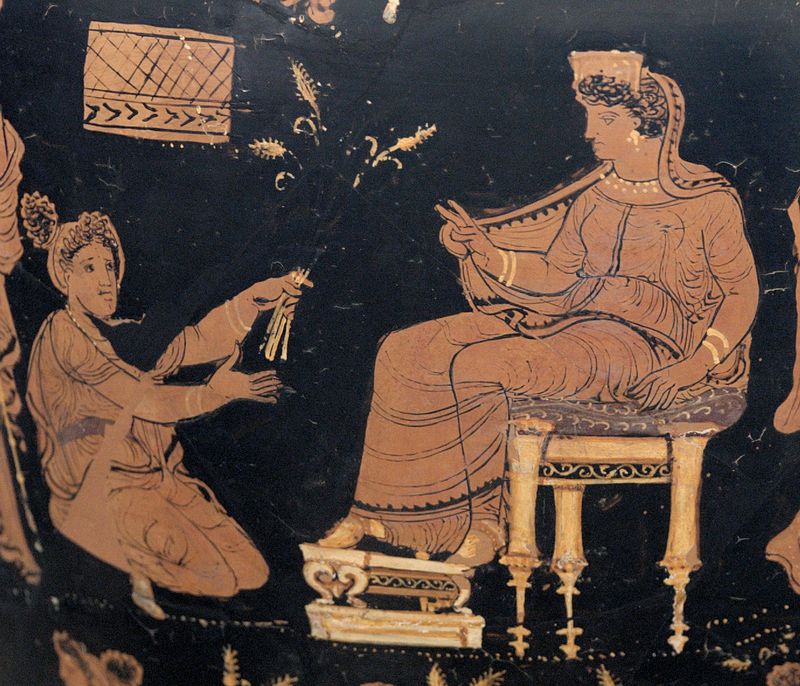
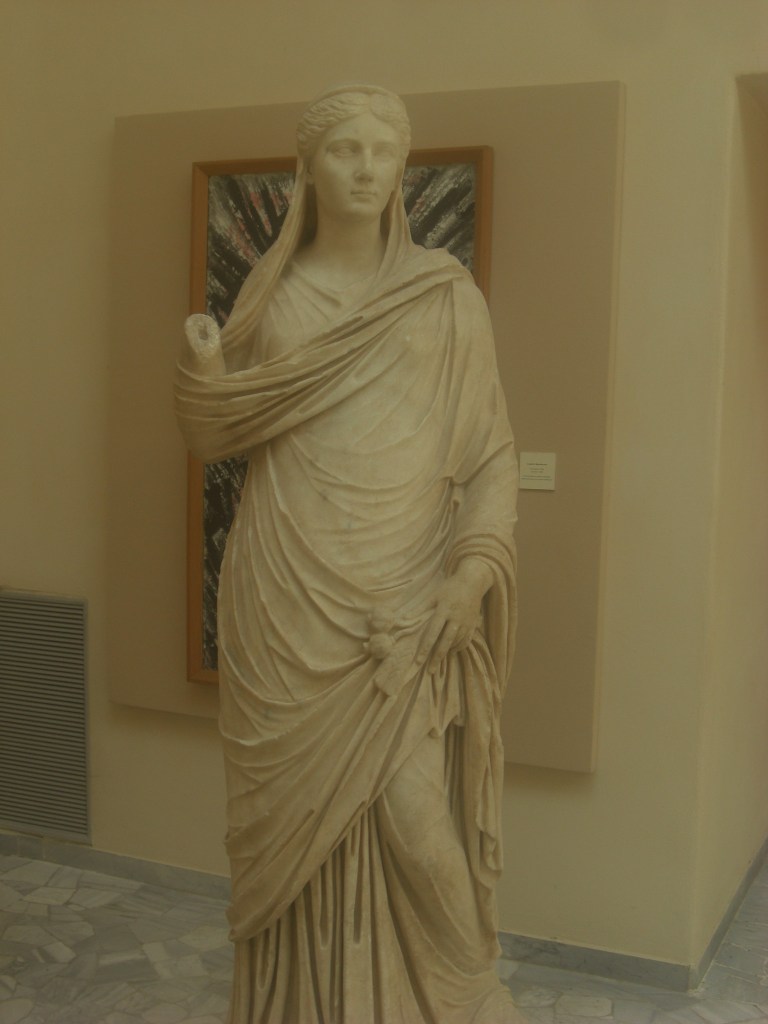
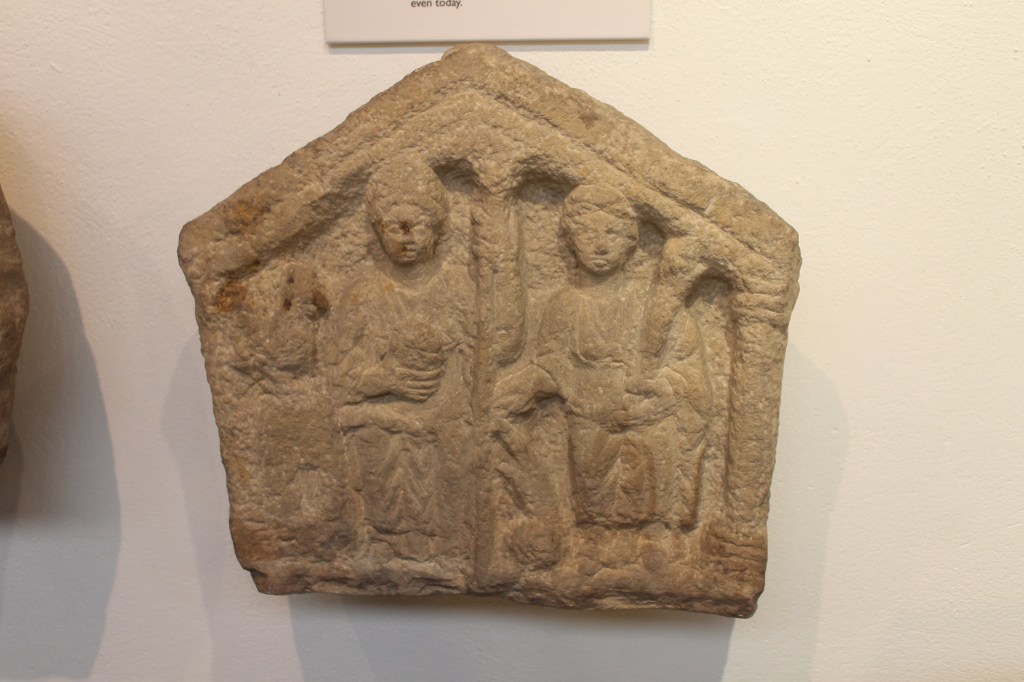
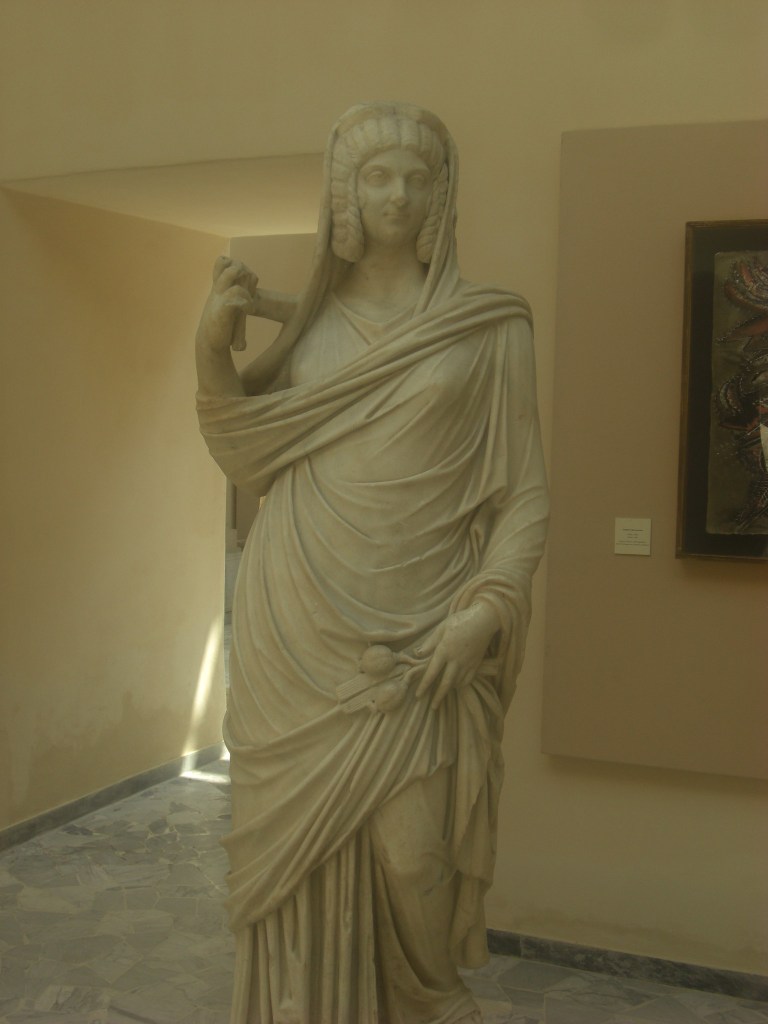
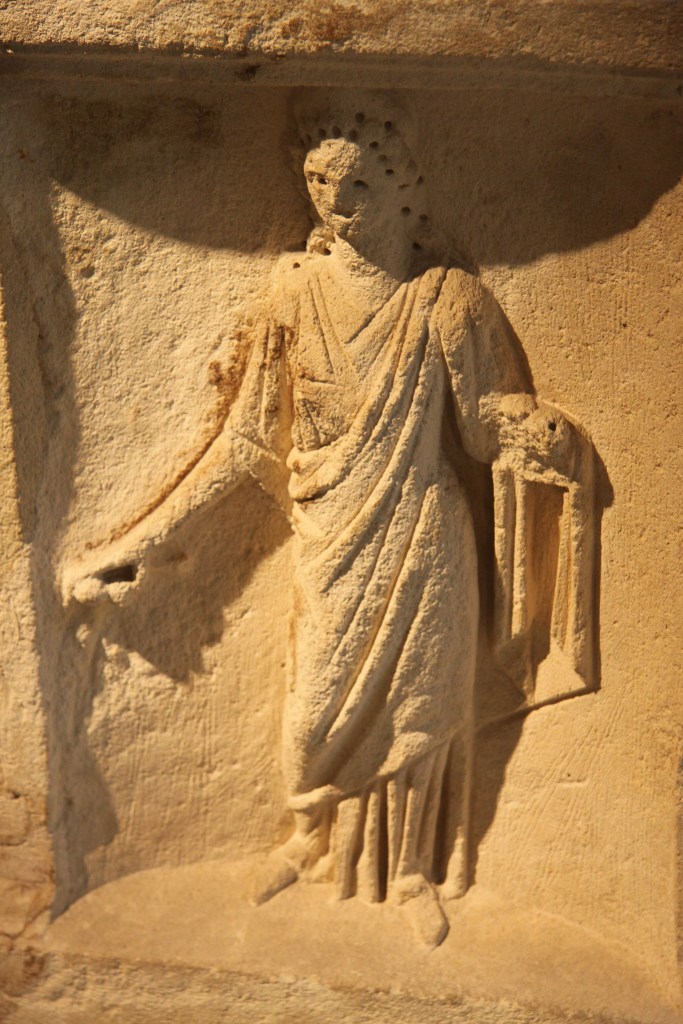
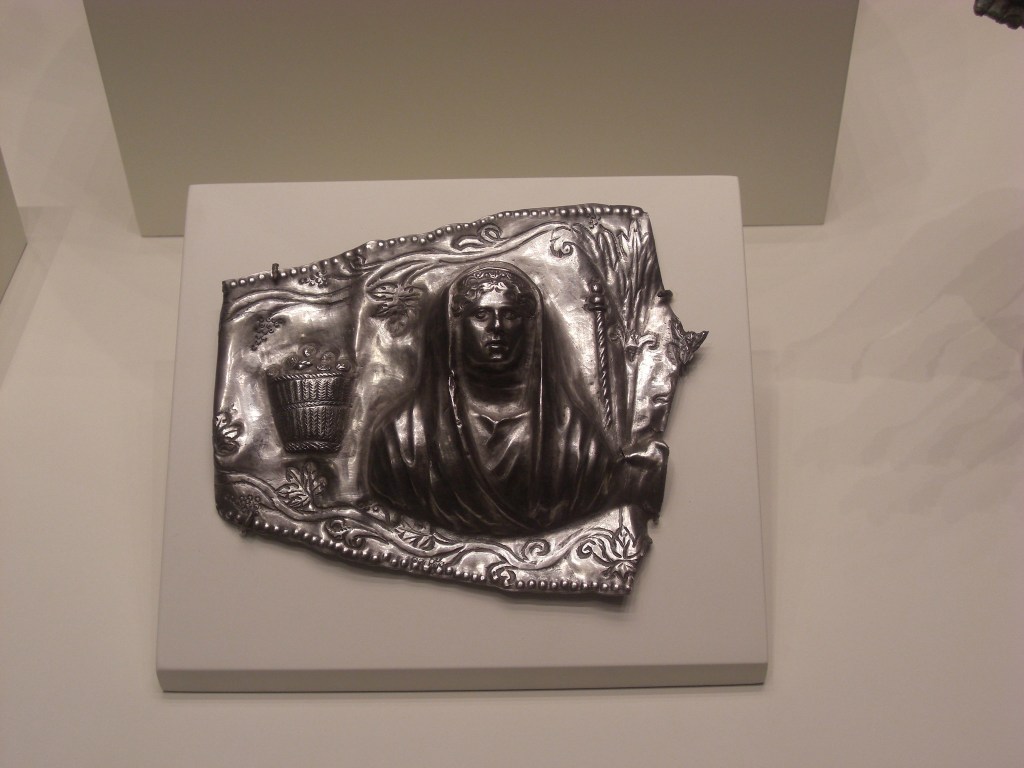
Getty Villa.
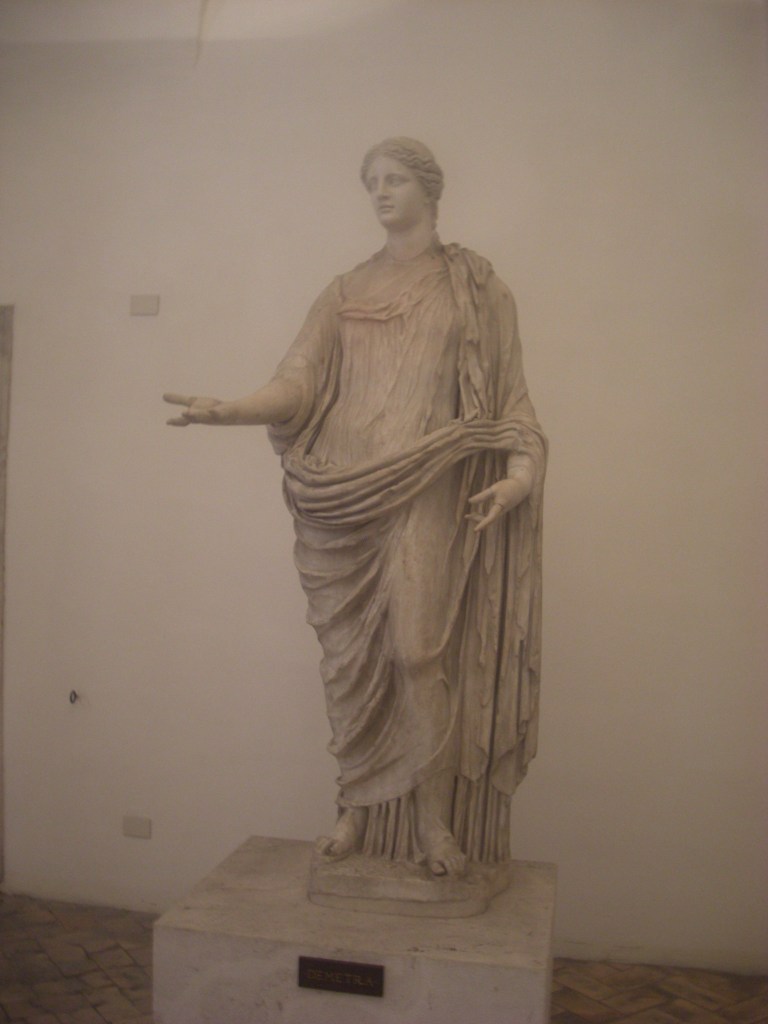
Palazzo Altemps.

 Digital Maps of the Ancient World