Thanatus
Thanatus wasn’t a grim reaper wielding a scythe; he was the embodiment of peaceful death. This gentle daemon, often depicted as a young man with a serene expression, served as a guide for those leaving the earthly realm. His presence brought a sense of calm acceptance to the transition from life to death.

Residence: The Underworld
Symbols: Theta and sword
Parents: Nyx and Erebus
Siblings: Hypnus, Nemesis, Eris, Keres, Apate, the Moirae, Oizys
Roman equivalent: Mors
Unlike his blood-craving sisters, the Keres, Thanatus embodied a different aspect of death. Where the Keres reveled in the violence of slaughter and disease, Thanatus’ touch was gentle, akin to that of his twin brother Hypnos. He served as a comforter, ushering souls into the next realm with a quiet serenity.

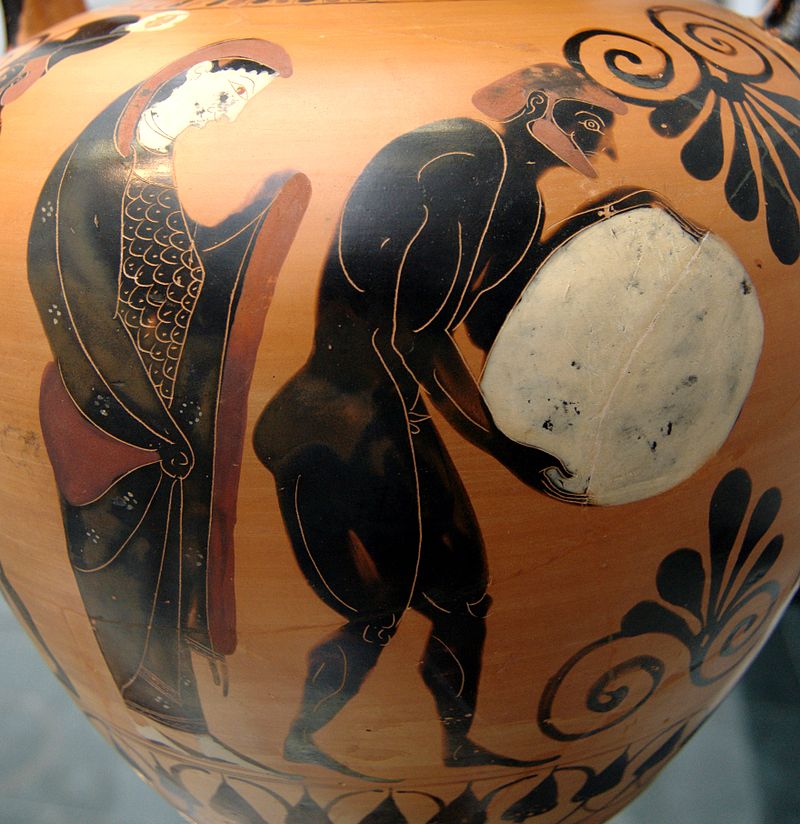
Sisyphus
Sisyphus wasn’t a warrior; he was a master manipulator. Facing death for the first time, he tricked Thanatus himself, the very embodiment of peaceful passing. By cleverly trapping the daemon in his own chains, Sisyphus disrupted the natural order, preventing the deaths of all mortals. This audacious act showcased his cunning personality and his defiance of fate. However, his trickery couldn’t last forever, and the second time he attempted to cheat death by manipulating Persephone, his luck ran out.

 Digital Maps of the Ancient World