Ceres
Ceres, a central Roman goddess, presided over agriculture, grain crops, fertility, and motherly relationships.
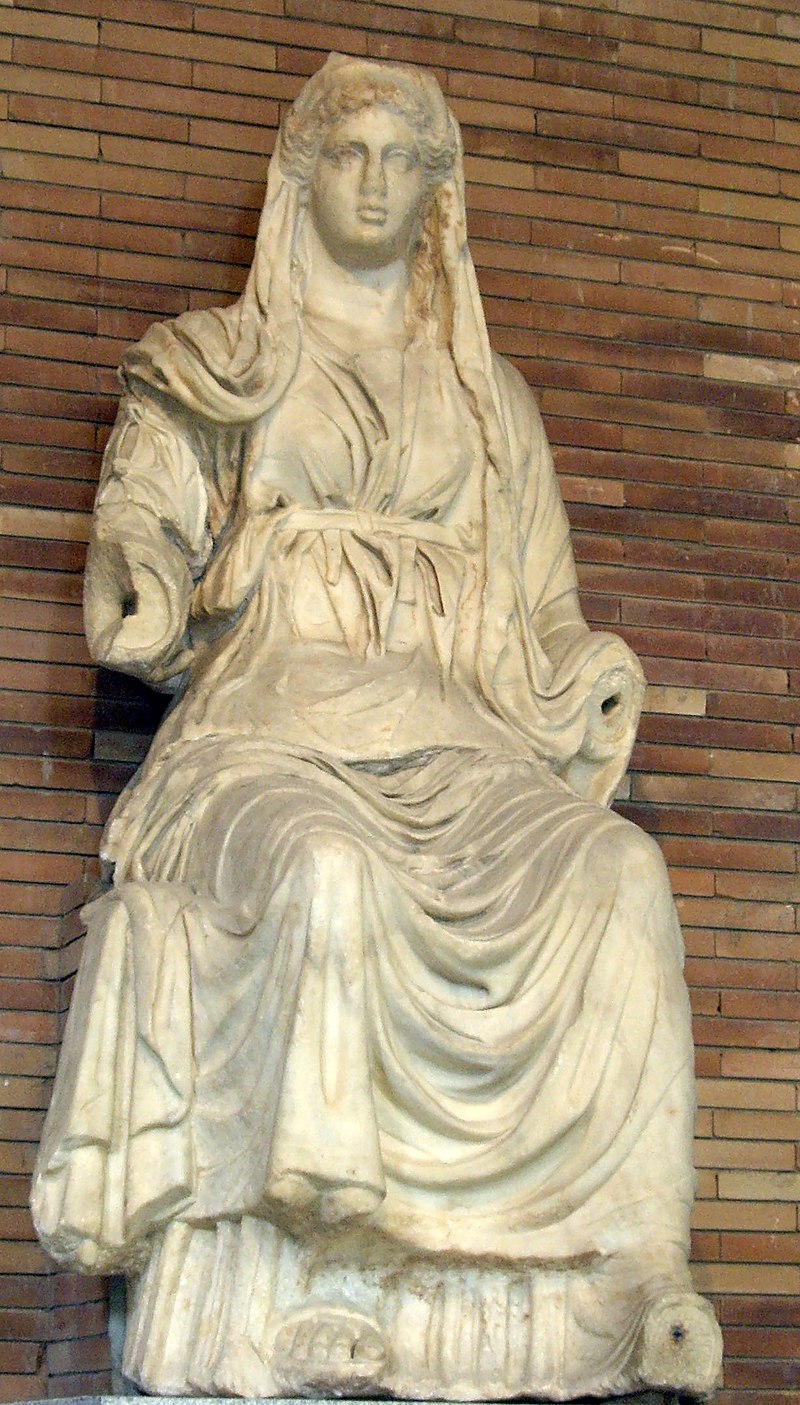
Symbols: Sickle, sheaf of wheat, cornucopia, cereal
Parents: Saturn and Ops
Siblings: Juno, Jupiter, Neptune, Pluto, Vesta
Children: Proserpina
Festivals: Ambarvalia, Cerealia, Ieiunium Cereris, Sementivae
Greek equivalent: Demeter
She wasn’t just worshipped for the bounty of the harvest, but also credited with its very foundation. According to myths, Ceres bestowed upon humanity the knowledge of cultivating spelt wheat, harnessing oxen for plowing, and nurturing young seeds. Before her gifts, people supposedly subsisted on acorns and lacked a settled society. Ceres’ power extended beyond grains, for she was believed to bring fertility and growth to both plants and animals. Her sacred laws and rituals safeguarded every step of the agricultural cycle, ensuring the continuation of life and prosperity.

But Ceres’ benevolence extended far beyond the fields. She served as a patron and protector of the plebeians, the common people of Rome. Her temple on the Aventine Hill wasn’t just a place of worship; it functioned as a vital center for the plebeians, housing their legal archives, treasury, and possibly even a law court. This connection to the common people solidified Ceres’ role as a nurturing deity, not just for the land, but for the very foundation of Roman society.
Art

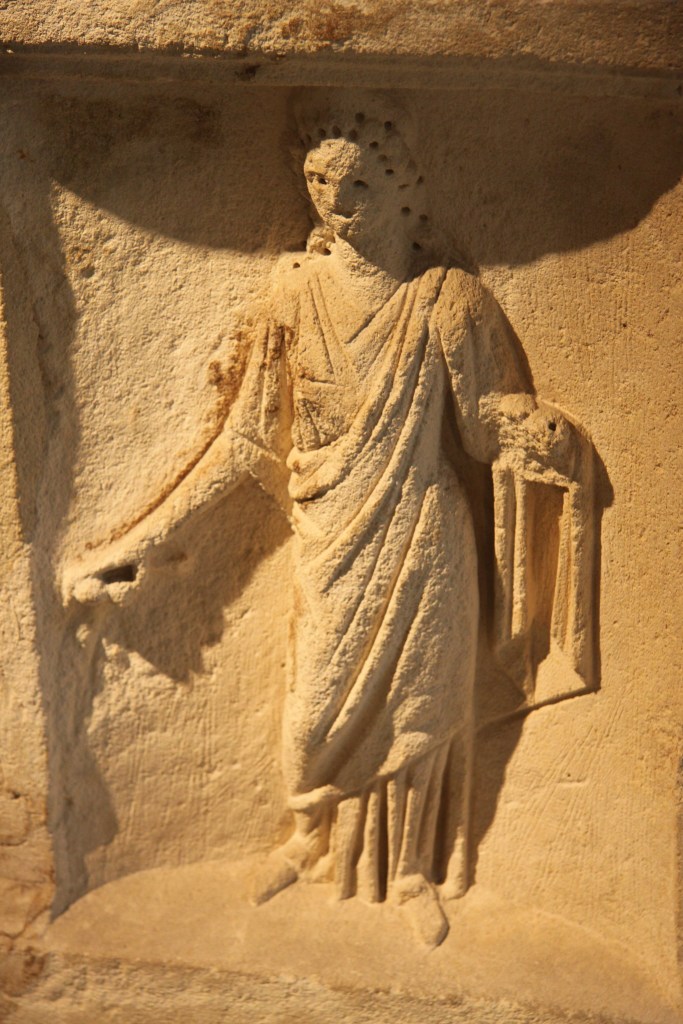


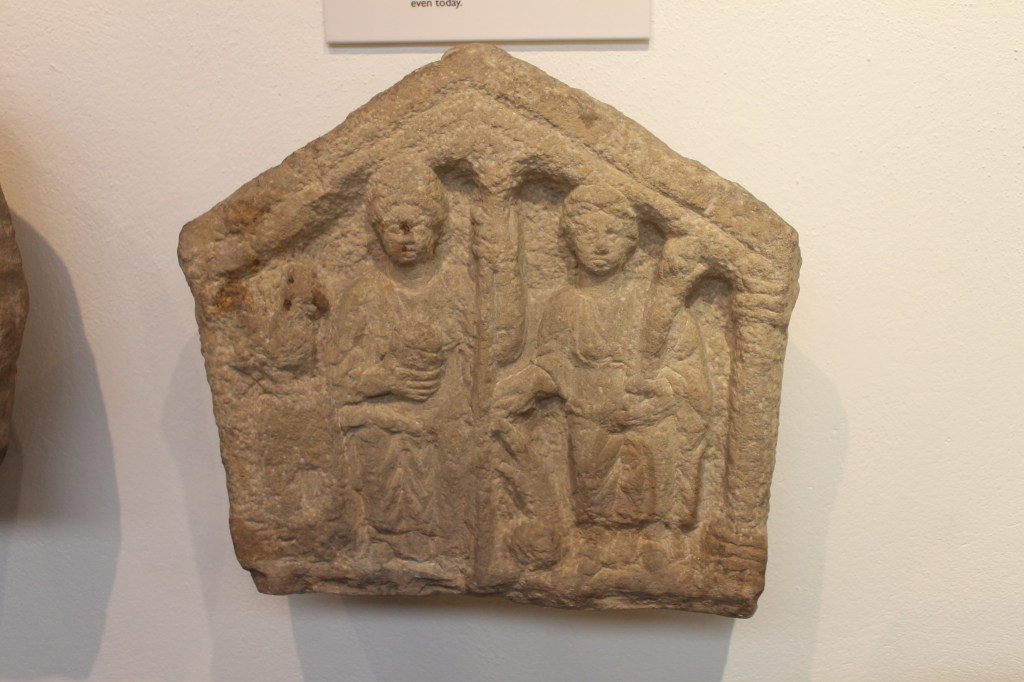
Corbridge Museum.

 Digital Maps of the Ancient World