Juno
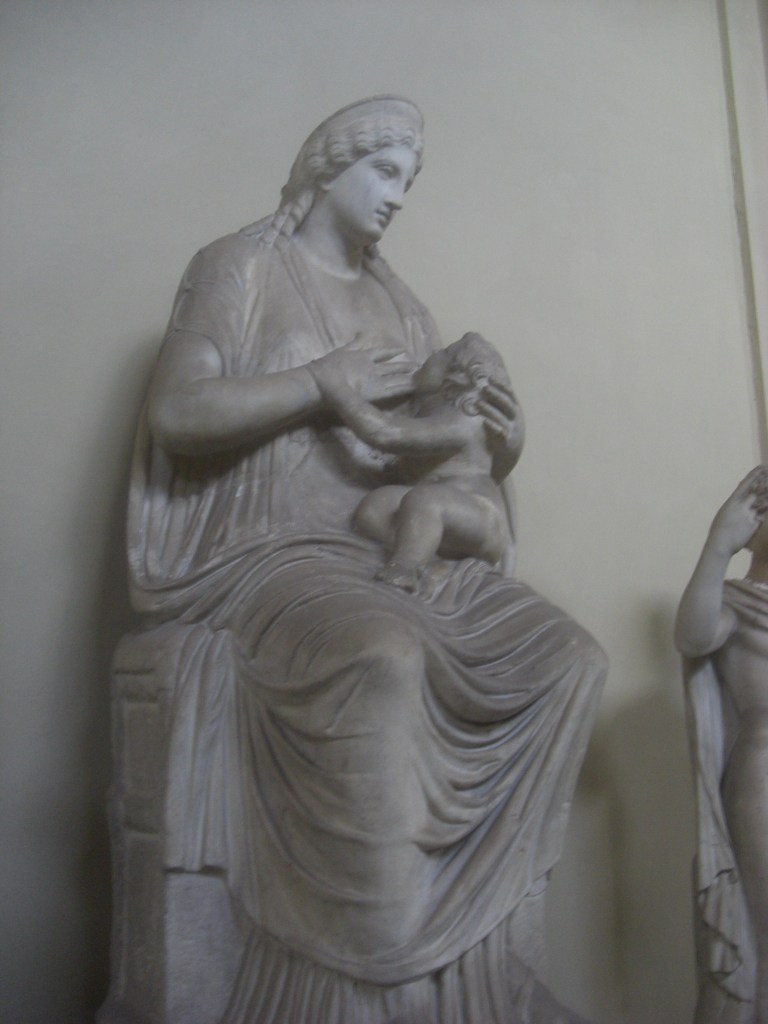
Juno embodied the very essence of womanhood. She was the goddess of marriage and childbirth as well as the protector and counselor of all women, guiding them through every stage of life. But Juno’s influence extended far beyond the domestic sphere. As the queen of the Roman gods and the wife of Jupiter, she played a vital role in protecting the city itself, ensuring Rome’s prosperity and safeguarding its citizens.

Residence: Rome
Symbols: Peacock
Parents: Saturn and Ops
Siblings: Ceres, Jupiter, Neptune, Pluto, Vesta
Consort: Jupiter
Children: Bellona, Juventas, Mars, Vulcan
Festivals: Iunonalia, Matronalia, Nonae Caprotinae
Other Names: Juno Caprotina, Juno Caelestis, Juno Lucina, Juno Moneta, Juno Regina, Juno Sospita
Greek equivalent: Hera
Juno possessed a surprisingly fierce side. This warlike aspect is evident in her attire – depictions of Juno frequently show her clad in a goatskin cloak and wielding weapons. This association with war likely stemmed from her role as the protector of the Roman state, standing beside Jupiter, the king of the gods, to ensure Rome’s dominance. Some scholars even suggest a connection to the Greek goddess Athena, another powerful female deity often depicted in a goatskin cloak.
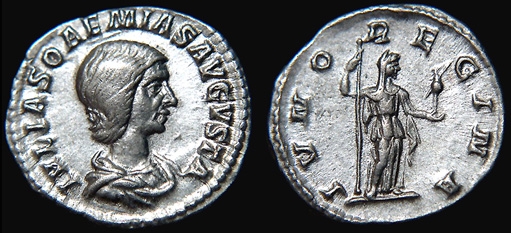
Juno represents one of the most fascinating yet perplexing figures in Roman religion. Her multifaceted nature is evident in the numerous epithets bestowed upon her. For instance, Juno Regina emphasized her role as queen, while Juno Lucina signified her association with childbirth.
Art
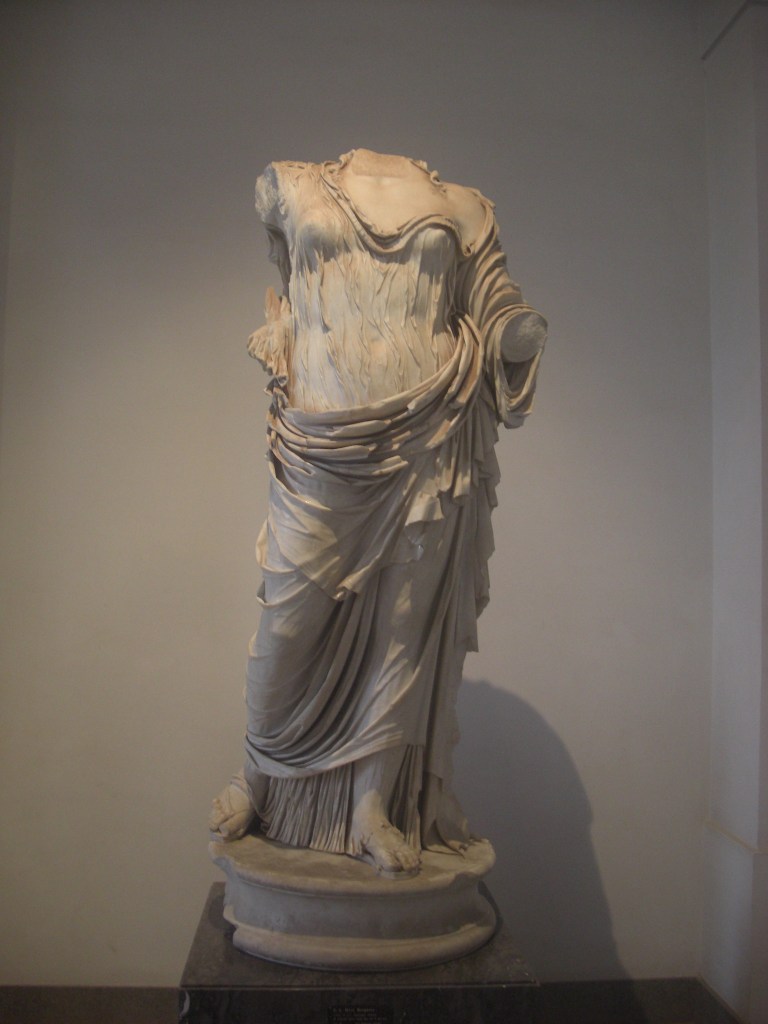
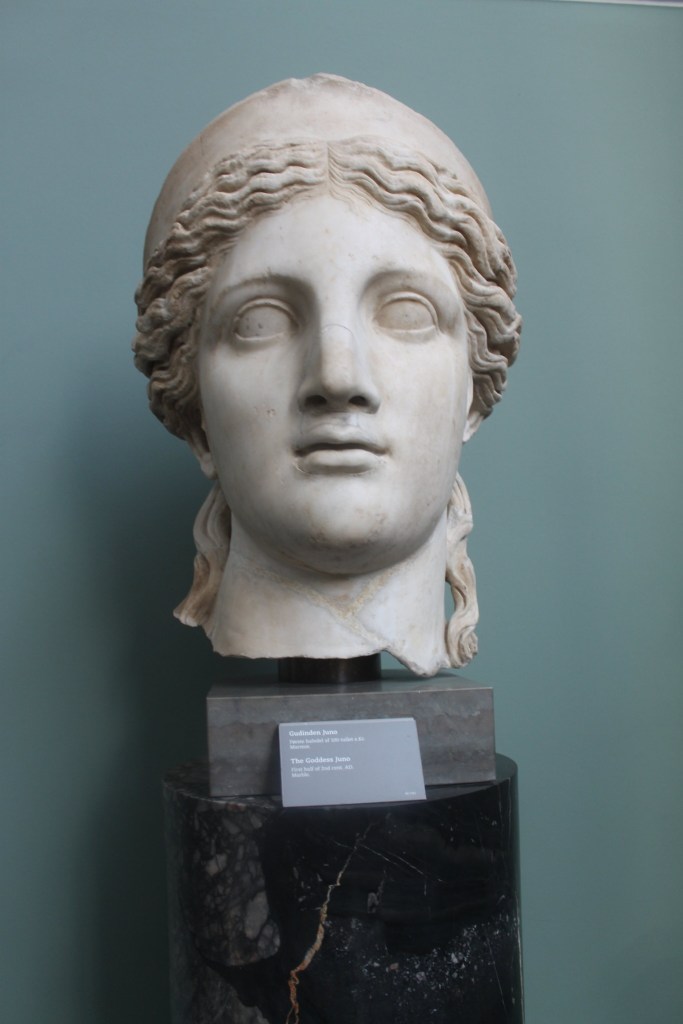
Ny Carlsberg Glyptotek.


British Museum.

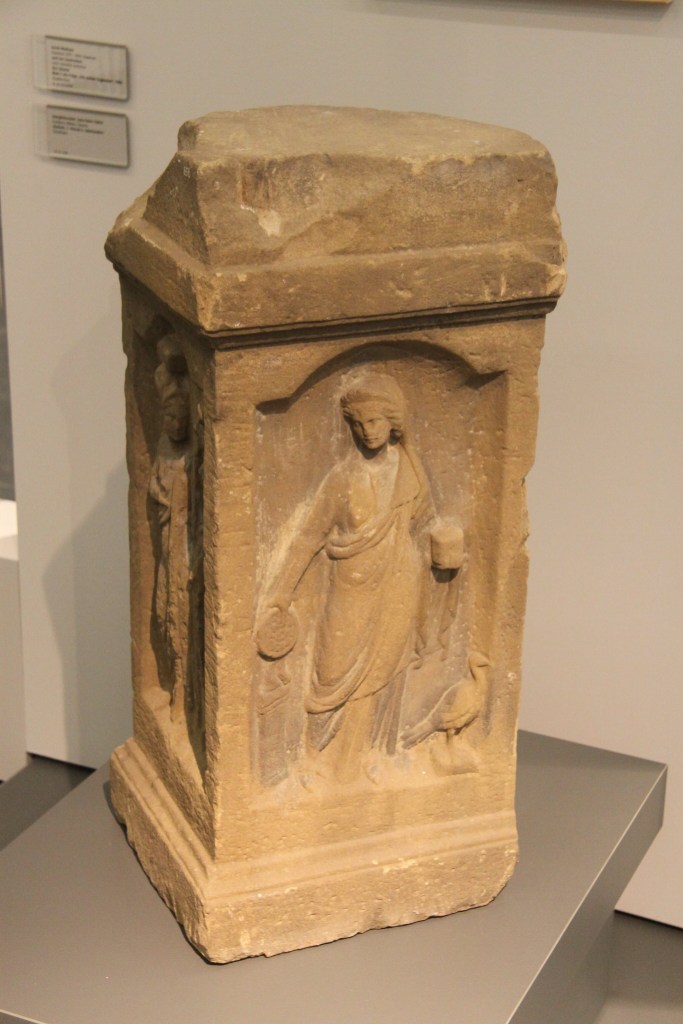
Bonn Landesmuseum.


 Digital Maps of the Ancient World