Hermes
Hermes was the Greek god of herds and flocks, travellers and hospitality, roads and trade, thievery and cunning, heralds and diplomacy, language and writing, athletic contests and gymnasiums, astronomy and astrology. He was the herald and personal messenger of Zeus, King of the Gods, and also the guide of the dead who led souls down into the underworld.

Residence: Mount Olympus
Symbols: Talaria, caduceus, tortoise, lyre, rooster and Petasos (winged helmet)
Parents: Zeus and Maia
Consort: Merope, Aphrodite, Dryope, Peitho
Siblings: Aeacus, Angelos, Aphrodite, Apollo, Ares, Artemis, Athena, Dionysus, Ilithyia, Enyo, Eris, Ersa, Hebe, Helen of Troy, Hephaestus, Heracles, Minos, Pandia, Persephone, Perseus, Rhadamanthus, the Graces, the Horae, the Litae, the Muses and the Moirae
Children: Pan, Hermaphroditus, Abderus, Autolycus, Eudorus, Angelia, Myrtilus
Roman equivalent: Mercury
As the god of herds and flocks, he oversaw the well-being of livestock and the livelihood of shepherds. Additionally, Hermes presided over the realms of travellers and hospitality, ensuring safe journeys and fostering camaraderie among strangers. His jurisdiction extended to roads and trade, symbolizing the interconnectedness of civilizations and facilitating commerce and exchange.
Renowned for his cunning and wit, Hermes also embodied thievery and craftiness, often outsmarting both mortals and gods alike. As the herald of Zeus, he served as the divine messenger, conveying the will of the king of the gods to both gods and mortals. Furthermore, Hermes played a crucial role in guiding the souls of the deceased to the underworld, serving as their psychopomp, or guide of the dead.
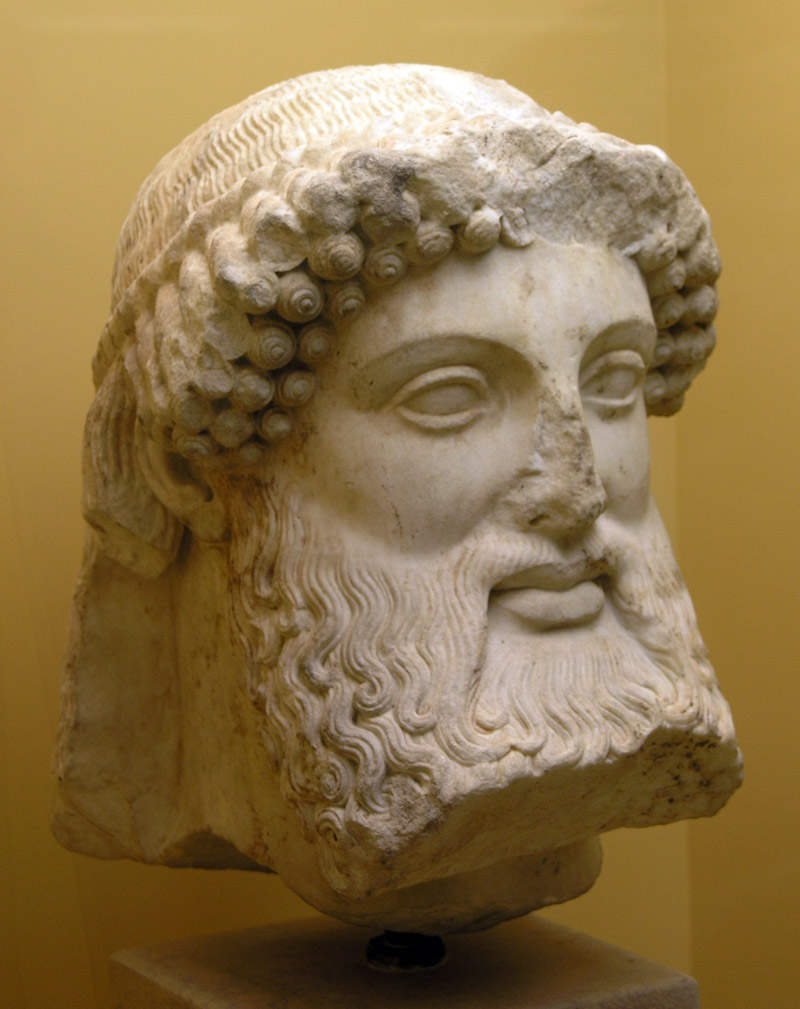
Hermes’s influence extended beyond the terrestrial realm, encompassing the celestial spheres as well. He presided over matters of astronomy and astrology, delving into the mysteries of the cosmos and celestial navigation. Moreover, Hermes’s patronage extended to matters of language and writing, promoting literacy, communication, and diplomacy among mortals and gods alike.
Depicted in various forms, Hermes was often portrayed as a handsome and athletic youth, exuding vitality and agility. Alternatively, he appeared as an older, bearded figure, symbolizing wisdom and experience. Adorned with winged boots and wielding a herald’s wand, Hermes embodied swiftness and eloquence, traits befitting his role as messenger and guide.
Birth
Hermes was the son of Zeus and Maia. Born in a cave on Mount Cyllene in Arcadia, the young god was nurtured by the nymph Cyllene, from whom the mountain derived its name. Despite his tender age, Hermes exhibited remarkable ingenuity and prowess.

Shortly after his birth, Hermes displayed his inventive nature by fashioning the first lyre from the shell of a tortoise. With remarkable dexterity, he affixed seven strings made from sheep gut across the tortoise shell, creating a musical instrument of unparalleled beauty and harmony. Not content with merely crafting the lyre, Hermes swiftly mastered its intricacies, teaching himself to play melodies that enchanted all who heard them.
Thief
Hermes’s early adventures continued to showcase his cunning and resourcefulness. After escaping his swaddling-clothes, he journeyed to Pieria, where he stole a herd of cattle belonging to Apollo. To conceal his tracks, Hermes shrewdly outfitted the cattle with boots and led them to Pylos, where he hid them in a secluded grotto.
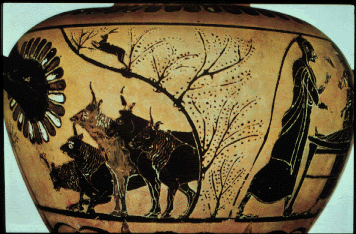
Meanwhile, Apollo, unaware of the culprit, sought information from the locals about his missing cattle. Despite their inability to provide clues, Apollo, using his divine powers, discerned Hermes’s involvement and confronted Maia, Hermes’s mother, on Mount Cyllene. In a clever ruse, Maia feigned innocence, presenting Hermes as an innocent infant.
However, Apollo, undeterred, brought Hermes before Zeus and demanded the return of his stolen cattle. Initially denying any wrongdoing, Hermes relented when Zeus pressed him, leading Apollo to Pylos where he returned the cattle to their rightful owner. In exchange for the stolen cattle, Hermes offered Apollo the lyre he had fashioned from a tortoise shell, enchanting Apollo with its melodious tunes.
Not content with the exchange, Apollo coveted Hermes’s shepherd’s pipe, offering his golden staff and the gift of prophecy in return. Hermes, eager to acquire both, agreed to the trade and was initiated into the art of prophecy by Apollo. Thus, Zeus appointed Hermes as his personal herald and messenger, entrusting him with important duties among both the gods and mortals.
Art


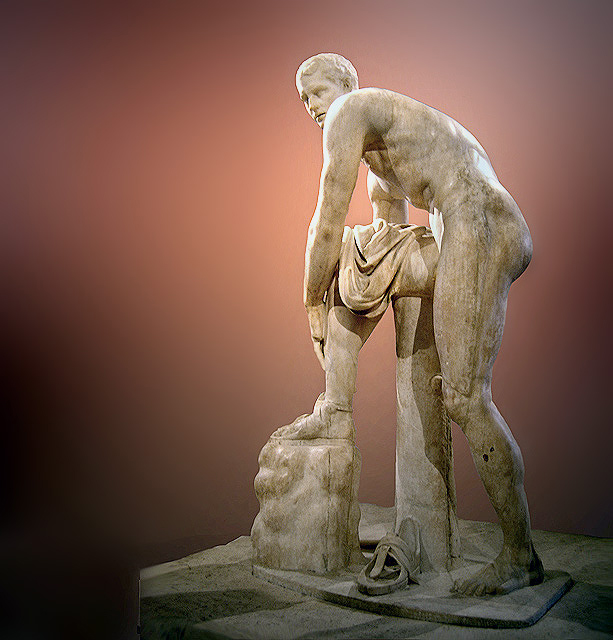
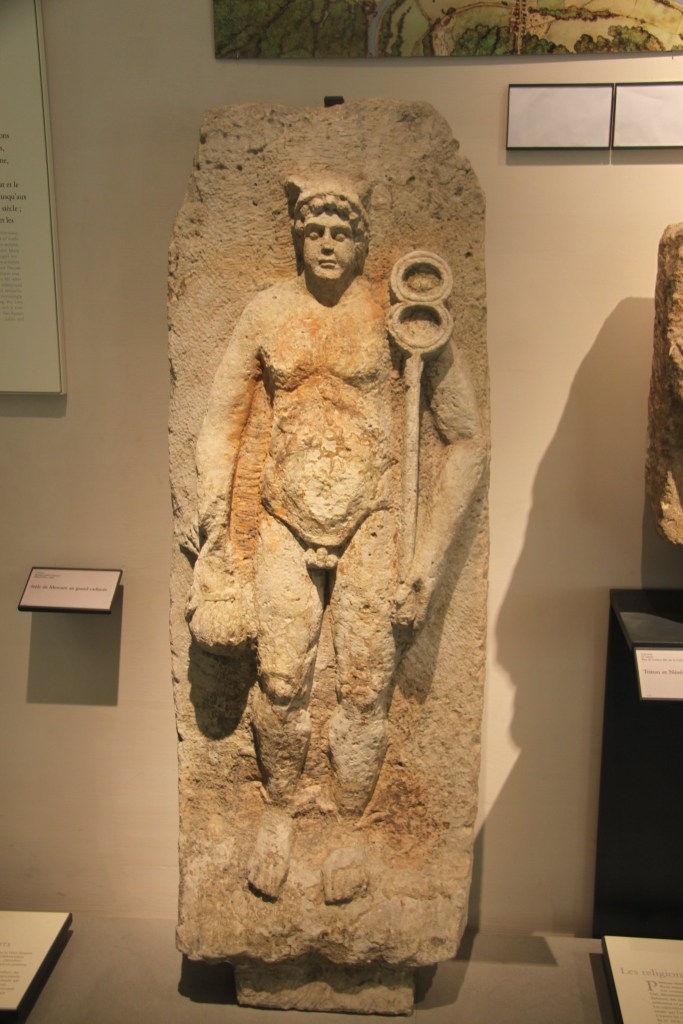
Carnavalet Museum.
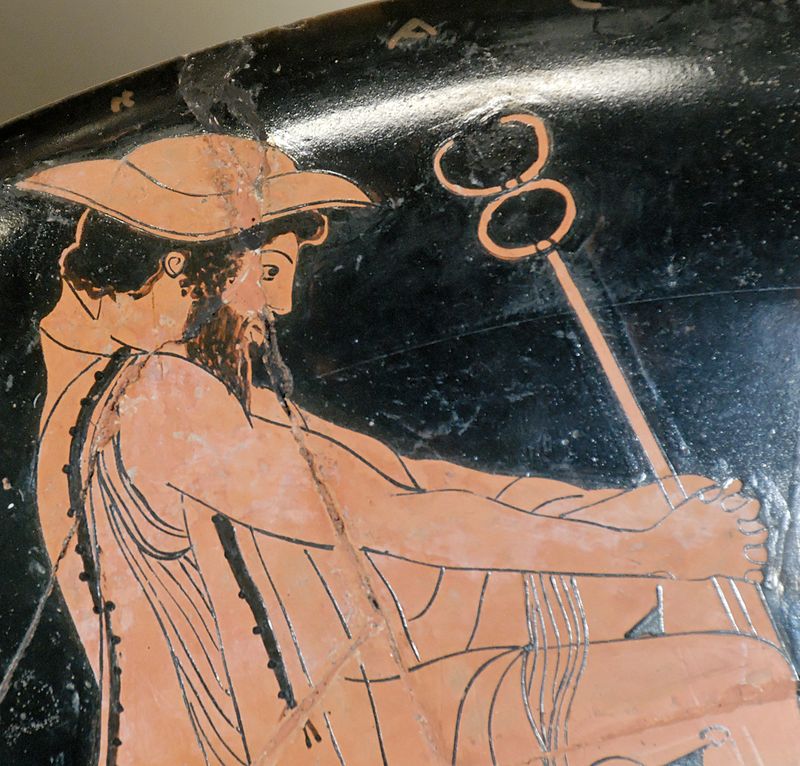
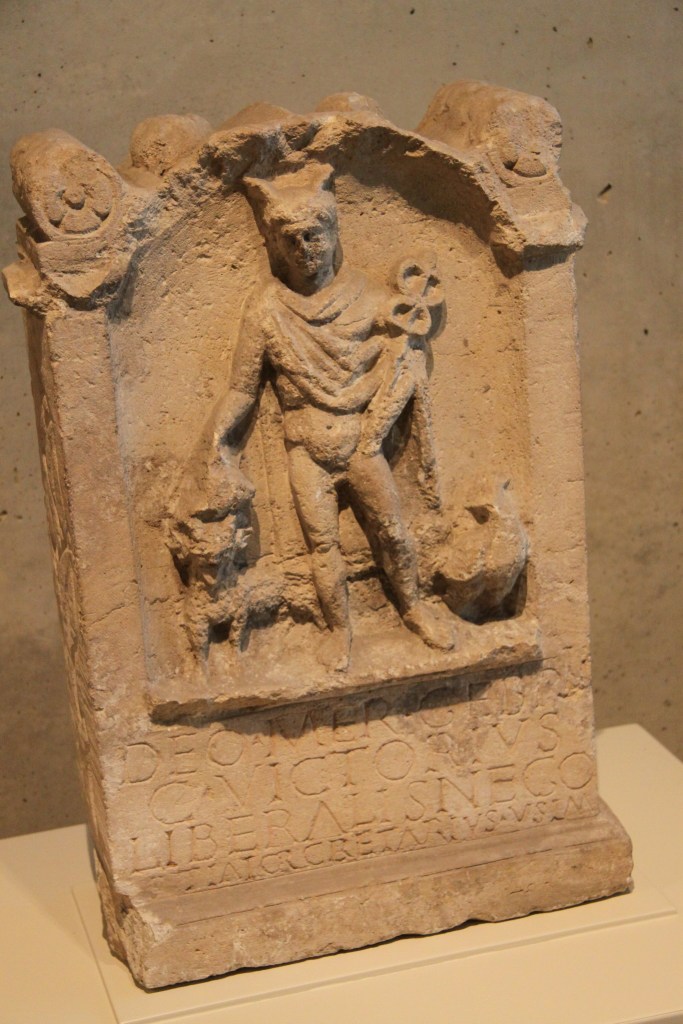
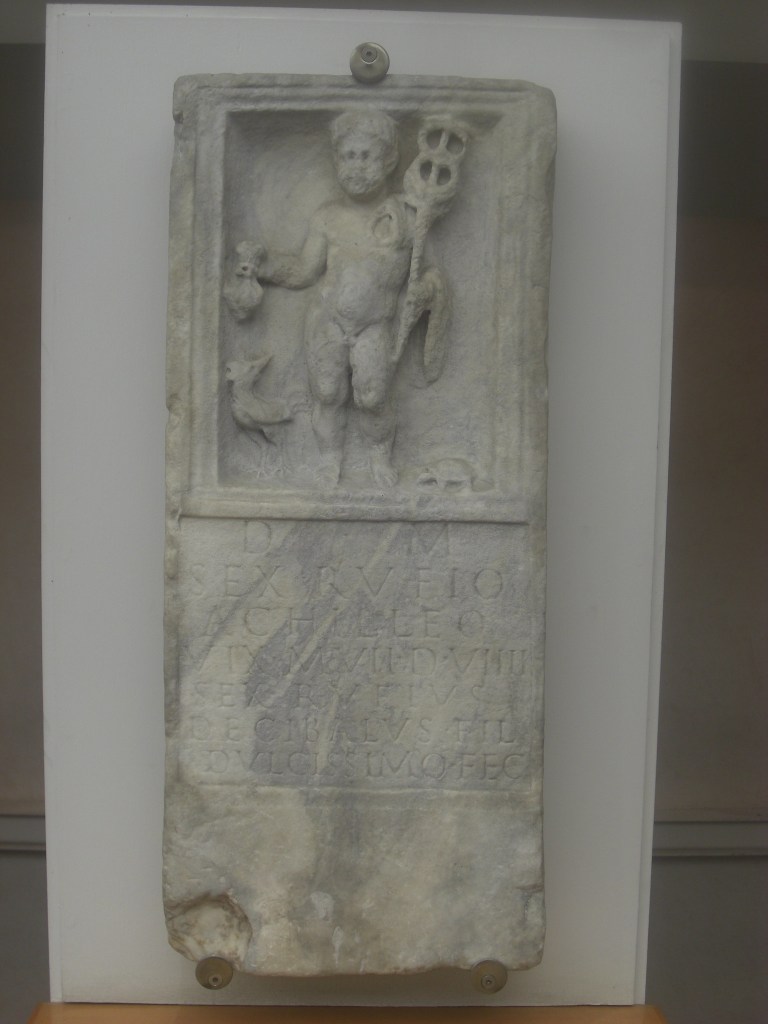
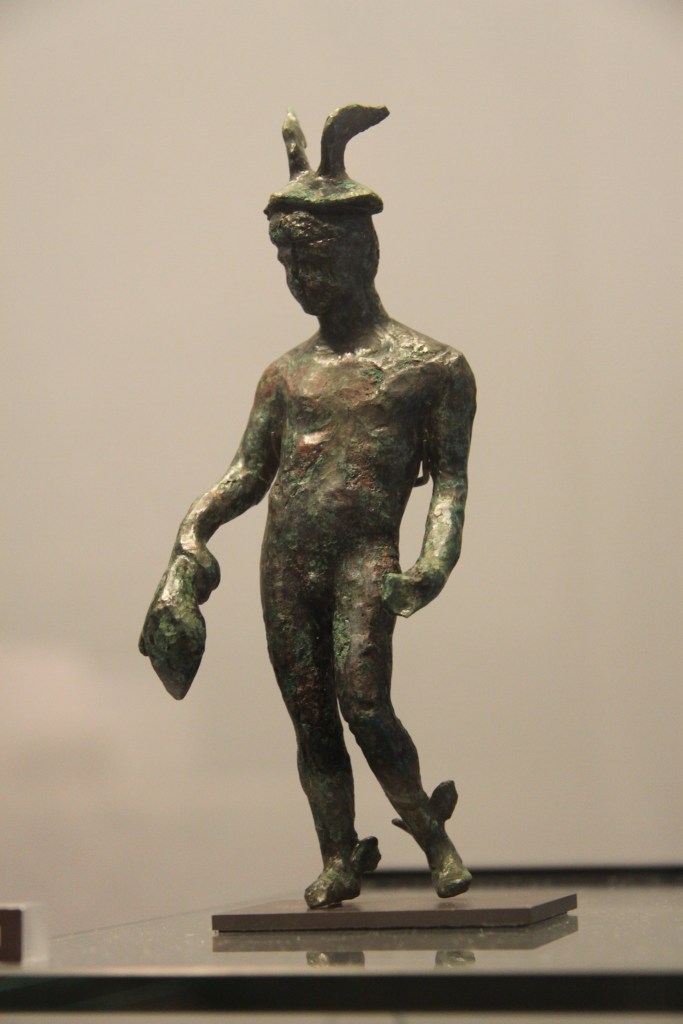
Carnavalet Museum.
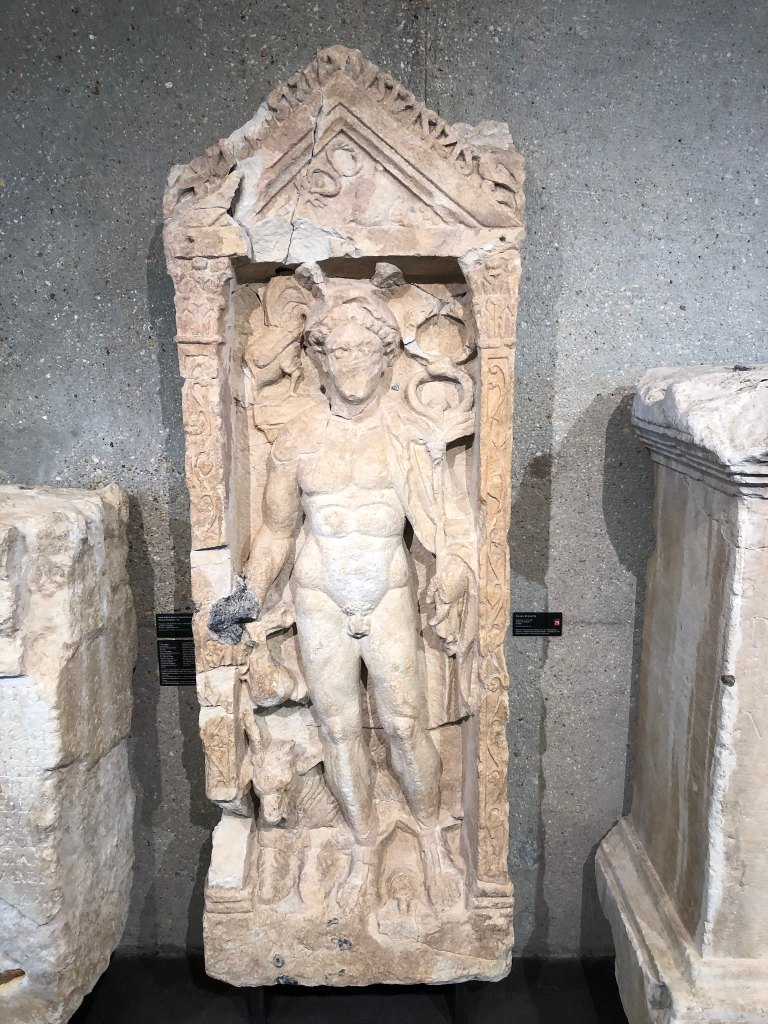
Vesunna Gallo-Roman Museum.

 Digital Maps of the Ancient World